Before you touch anything
Wash your hands with soap and dry them with a lint-free towel. Long nails are the most common cause of torn lenses - use your fingertips, not your nails. Work over a clean surface so a dropped lens is easy to find.
Check the lens orientation
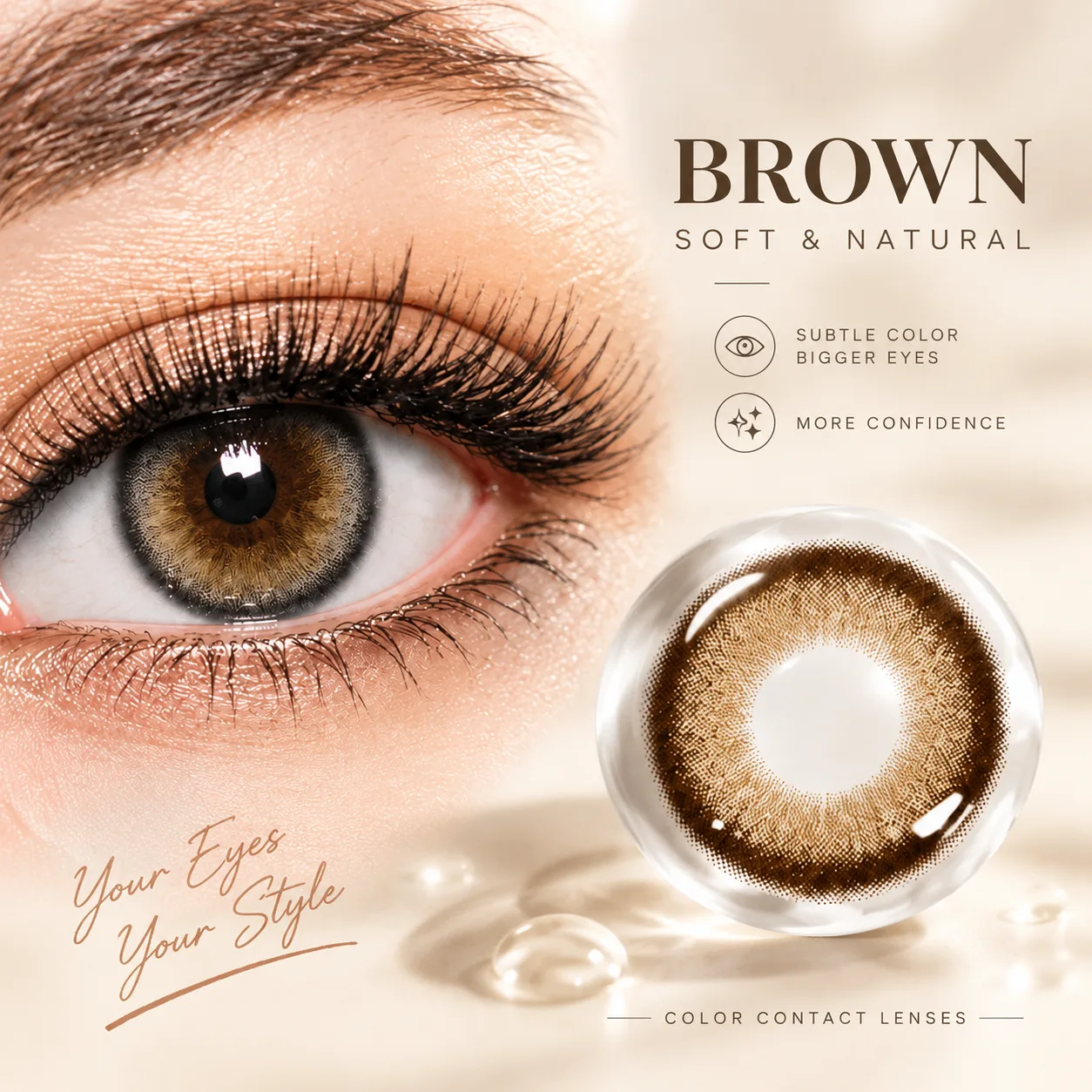
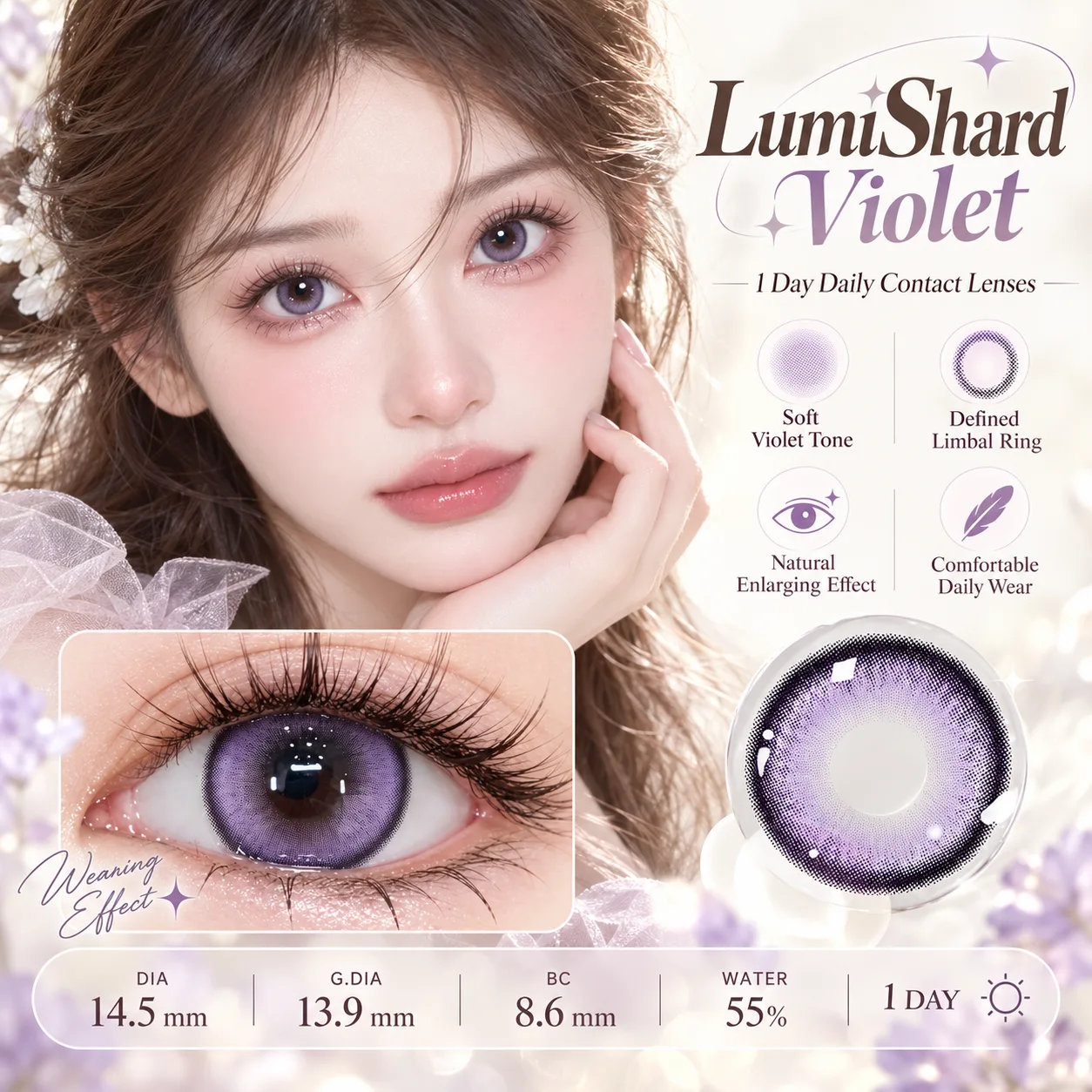
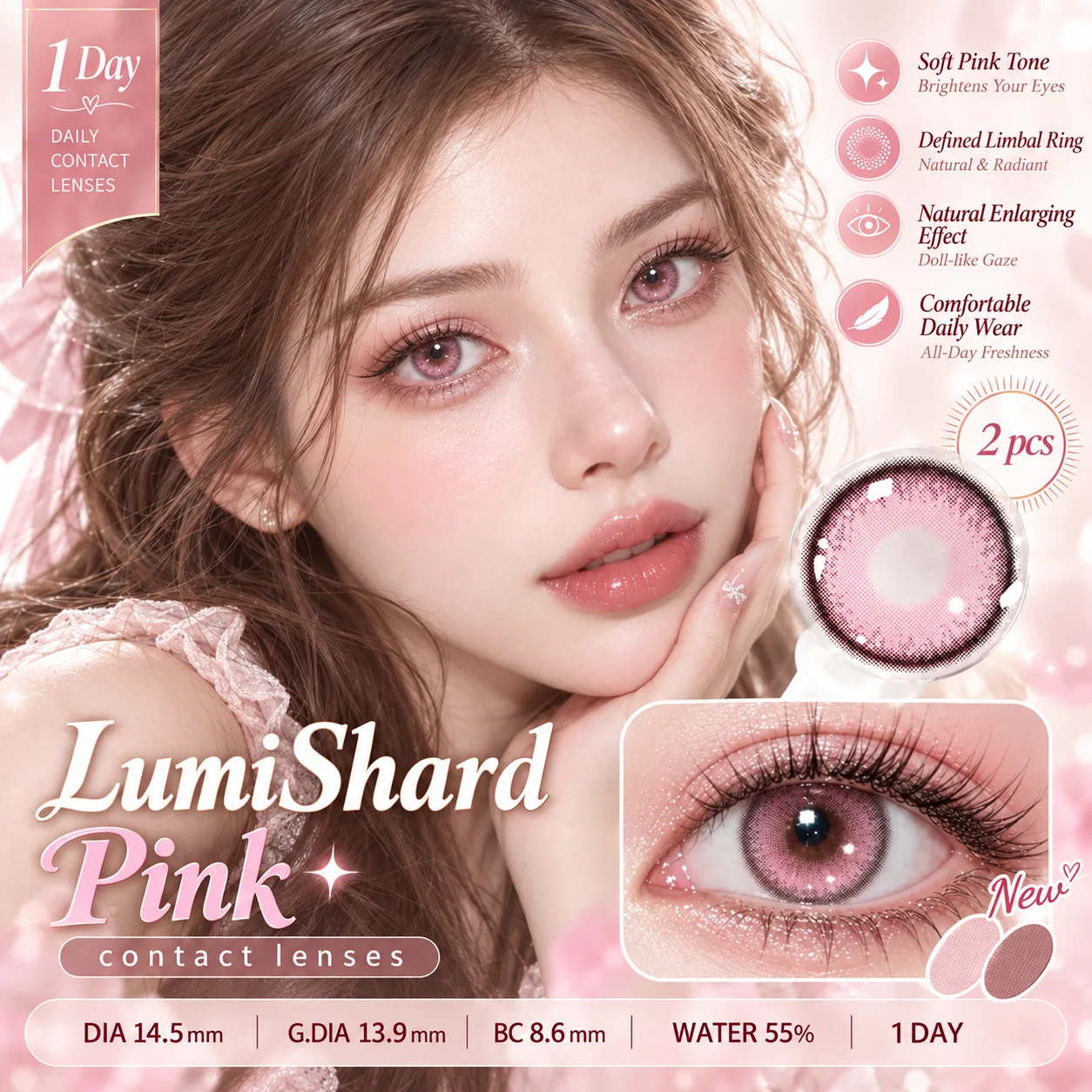
Place the lens on your fingertip and look at it from the side. A correct lens is a smooth bowl, like a cup. If the edges flare outward like a saucer, it is inside out. Coloured lenses make this easier to check because the pattern should be on the outside.
Insertion
Hold the upper lid with the index finger of one hand and pull the lower lid down with the middle finger of the other. Look up, place the lens on the lower white of the eye, then look down and blink gently. Do not push the lens onto the centre - let the eyelid do the work.
Removal
Look up, pull the lower lid down, and slide the lens down with your index finger until it sits on the white of the eye, then pinch it gently between thumb and forefinger. Keeping the eye slightly wet with rewetting drops makes this easier.
The five mistakes that cause problems
Sleeping in lenses, rinsing them in tap water, wearing them past the replacement date, swimming without goggles, and ignoring redness. Any of these can turn a minor irritation into a corneal infection.
If it will not go in
Stop. A lens that will not settle is usually inside out, torn, or the wrong base curve. Put it back in solution, check the orientation, and try again later. Forcing it is how scratches happen.
Frequently Asked Questions
Can I wear coloured contacts every day?
Yes, within the manufacturer's stated wear time and replacement cycle. Daily disposable lenses are the simplest option for everyday wear.
What do I do if a lens feels uncomfortable immediately?
Remove it, check for tears or an inside-out orientation, rinse with solution and try the other eye to compare. Persistent discomfort means stop wearing.
Do I need solution for daily lenses?
No. Daily lenses are discarded at the end of the day; solution is only needed for monthly and longer-cycle lenses.