The material decides comfort more than the colour
Silicone hydrogel transmits more oxygen than traditional hydrogel, which matters for longer wear. A cheap lens often uses an older hydrogel and compensates with a high water content, which feels soft at first and dries out later in the day. If you wear lenses for eight hours, the material is the specification to look at first.
Pigment encapsulation
In a well-made lens the pigment sits inside the silicone matrix rather than on the surface. Surface-printed lenses feel rougher, collect deposits faster and are more likely to irritate. You cannot see this in a photo, which is why brand and manufacturing standards matter more than a rendered mock-up.
Edge and limbal ring design
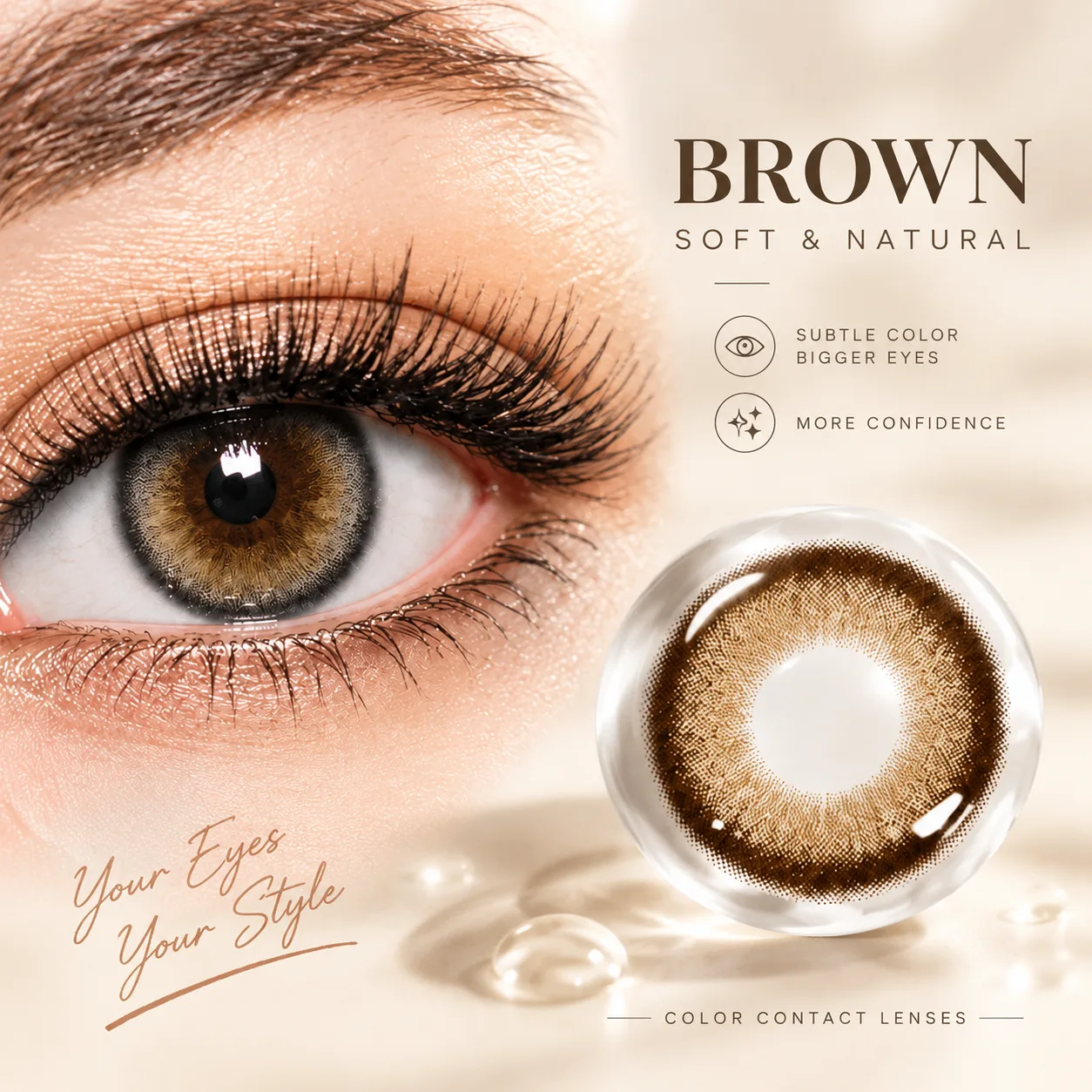
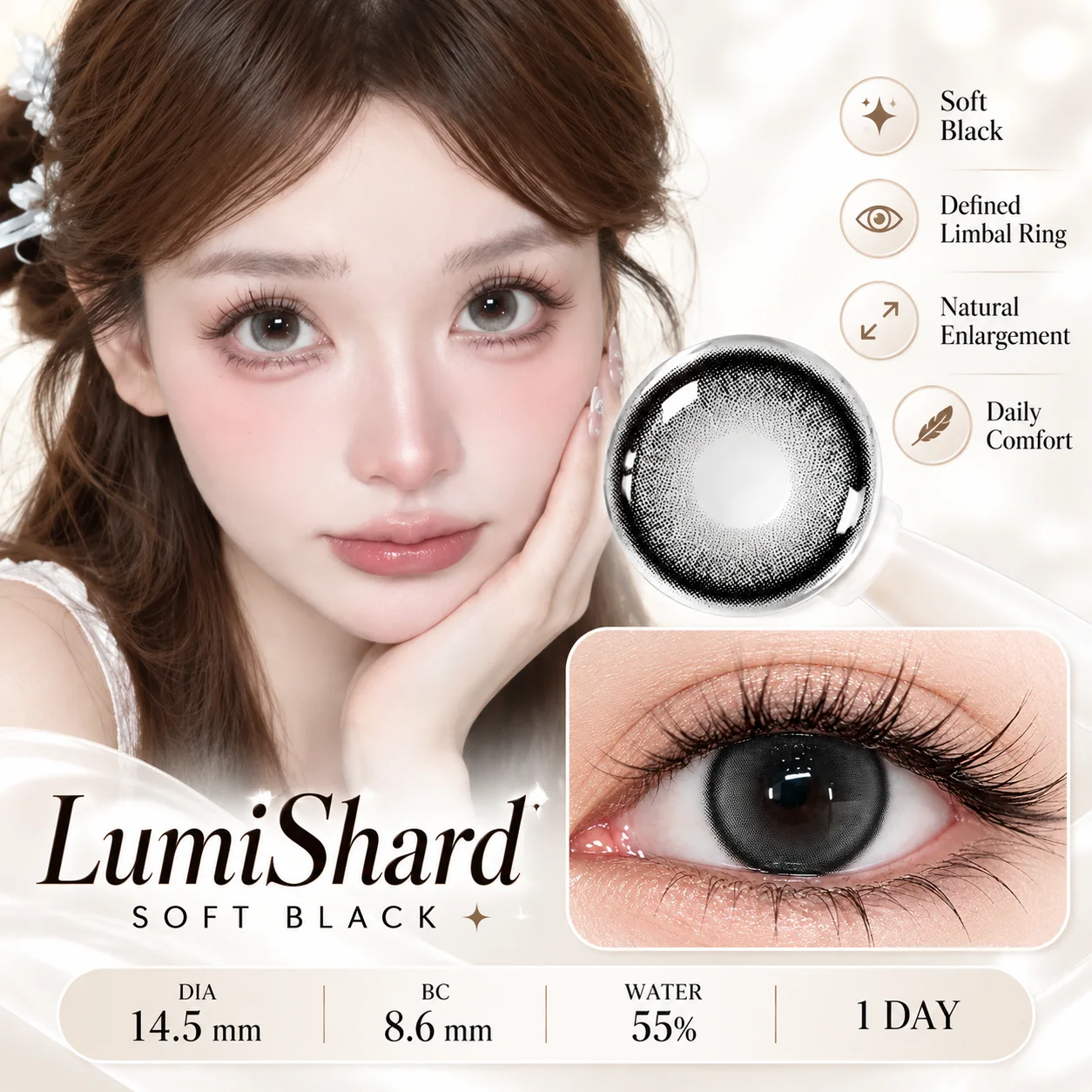
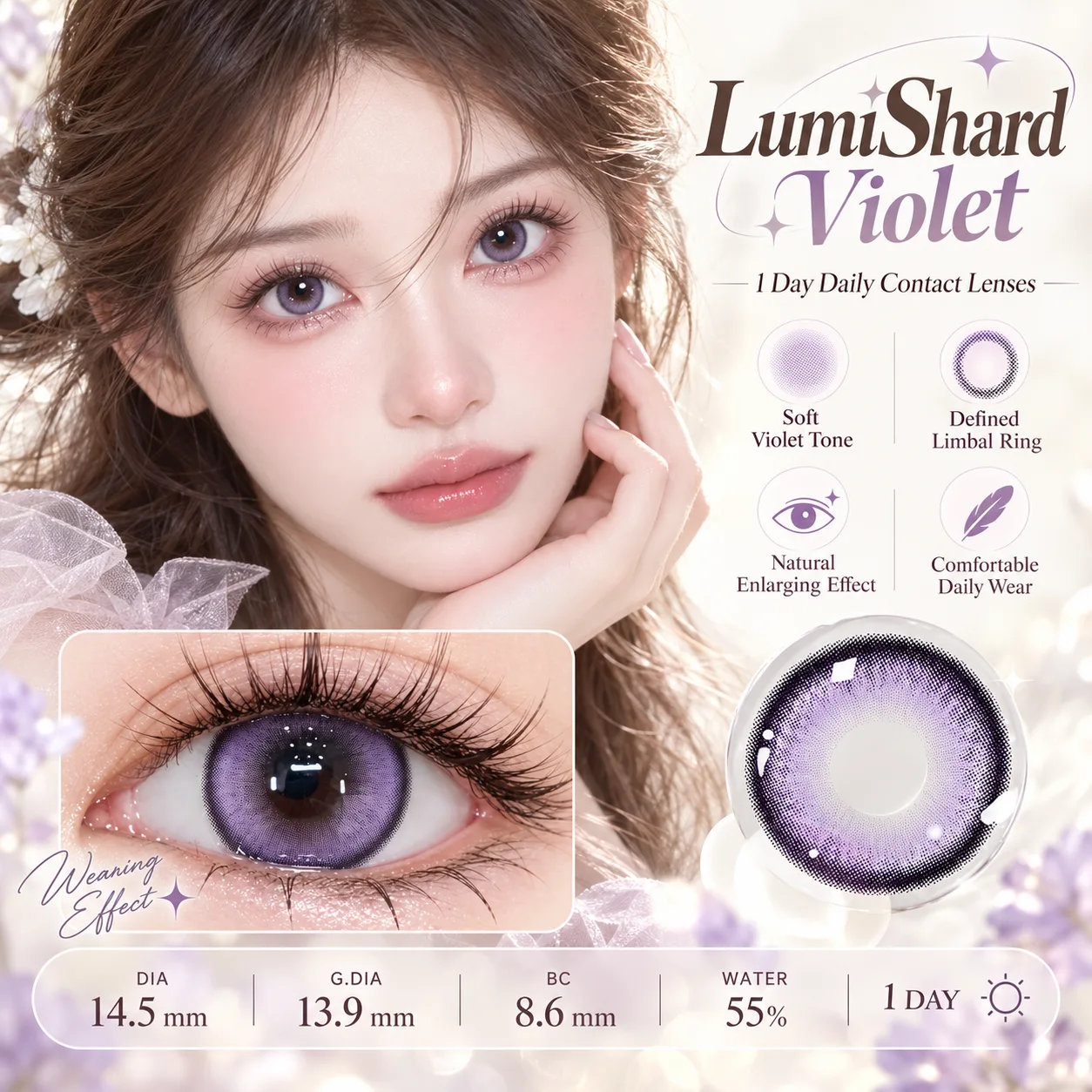
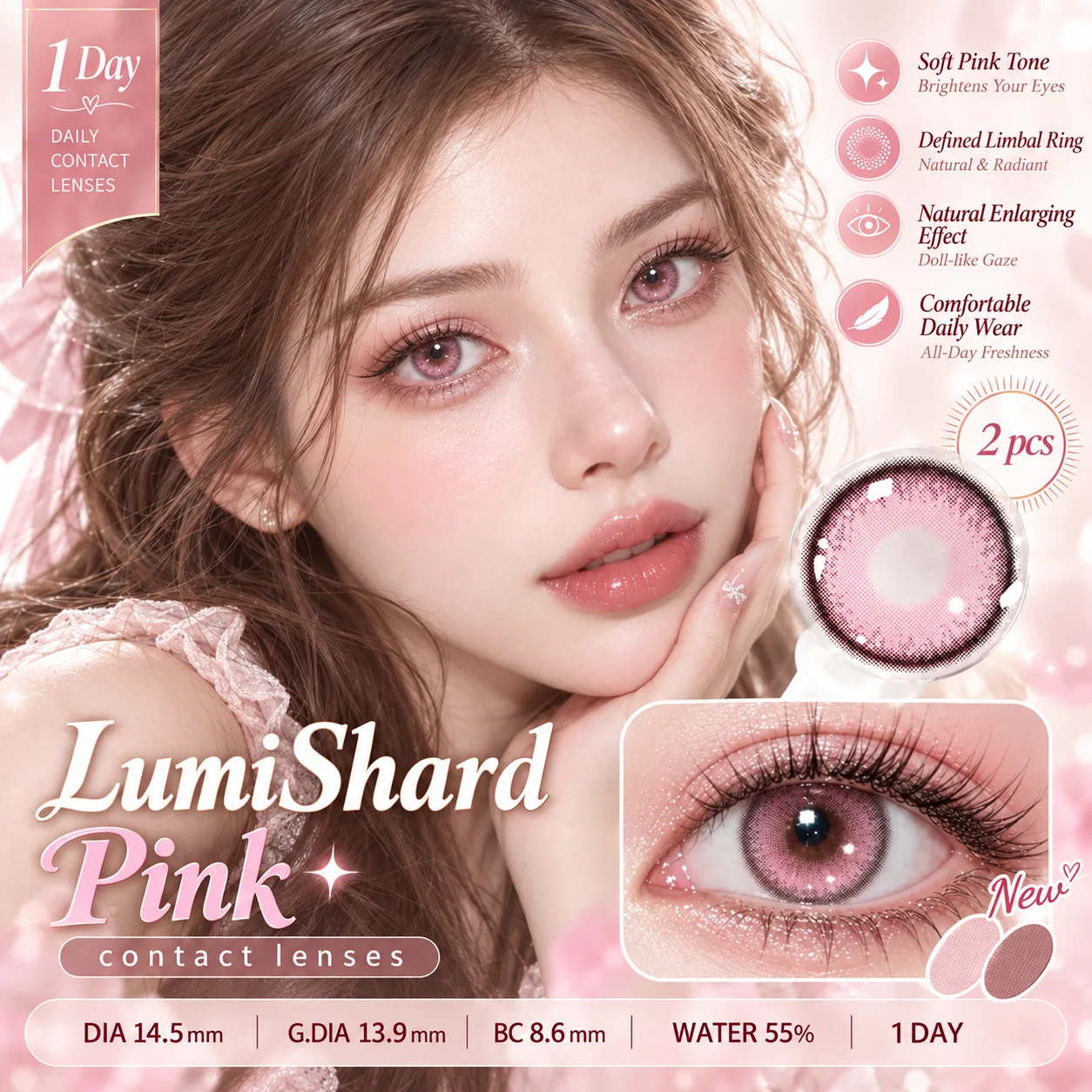
The limbal ring is what makes a lens look like an eye rather than a sticker. Premium designs feather the inner edge and print a soft ring at the outer edge, so the transition to your own iris is gradual. Cheap lenses often print a hard, uniform disc.
Quality control and batch consistency
A lens that felt perfect last month should feel the same this month. Consistent base curve, diameter and pigment density across batches is expensive to maintain and is one of the real differences between a premium line and a budget one.
When premium is worth it
If you wear lenses several times a week, for work or long days, the material and pigment quality pay for themselves in comfort. If you wear them twice a year for photos, a mid-range lens is a reasonable choice and the difference will be hard to notice.
What premium does not mean
It does not mean a bigger diameter or a stronger colour. A premium 14.2 mm lens still looks like a 14.2 mm lens. Paying more buys comfort and consistency, not a different aesthetic.
Frequently Asked Questions
Are expensive coloured contacts safer?
Not automatically safer, but premium lenses more often use encapsulated pigment and better-documented manufacturing, which reduces irritation risk.
Is silicone hydrogel better for daily wear?
It transmits more oxygen, which usually means more comfort over long days, but fit still matters more than material alone.
How often should I replace them?
Follow the stated cycle exactly. A premium lens worn past its replacement date is no longer a premium lens.