Why dark eyes need a different lens
A dark iris has more melanin, so a low-opacity tint simply disappears. What works is either a higher-pigment lens with a soft outer fade, or a lens whose ring sits at the limbal edge and frames the eye instead of covering the centre. If you have tried coloured contacts before and thought they looked flat, opacity and graphic diameter were usually the problem, not the colour.
Brown: the safest starting point
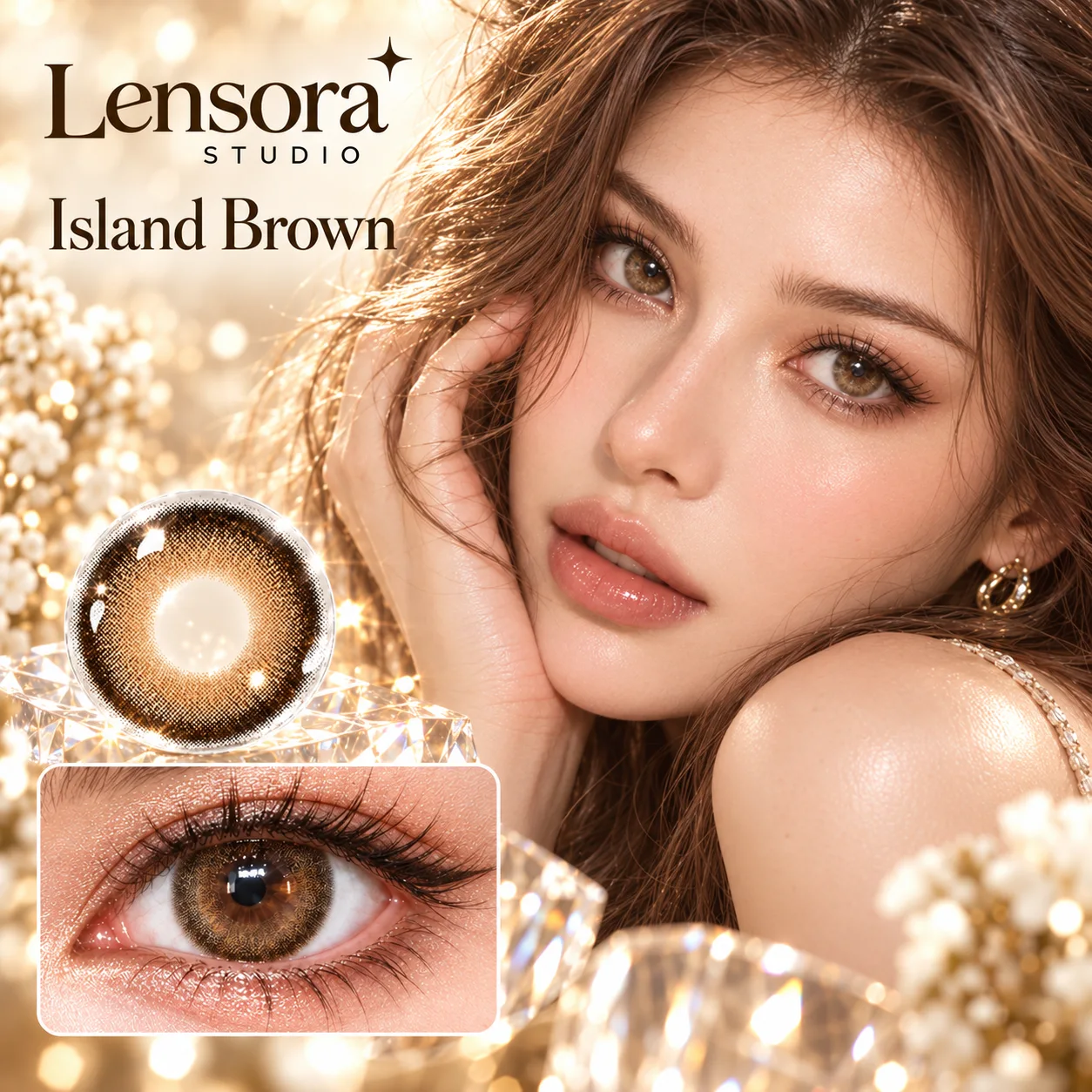
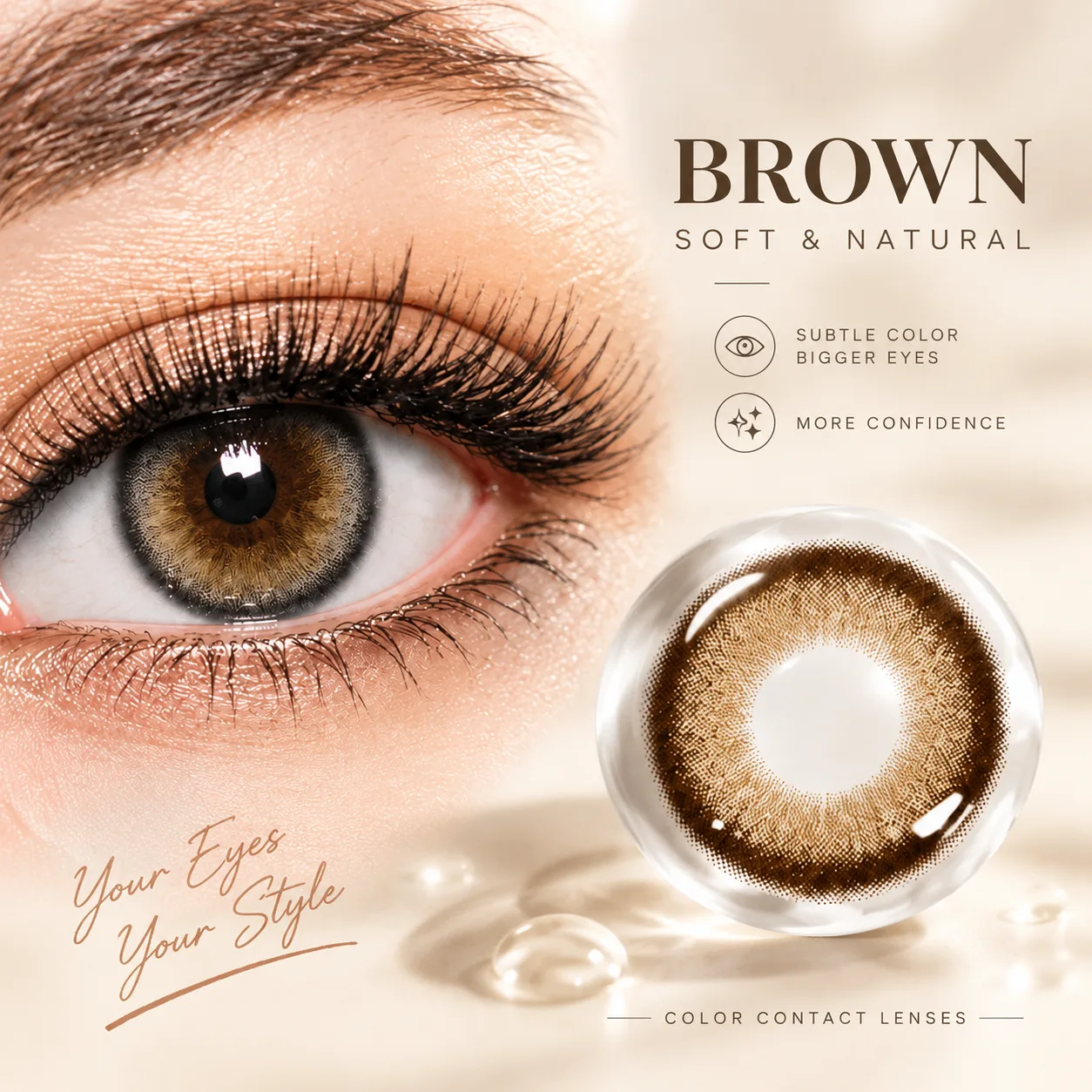
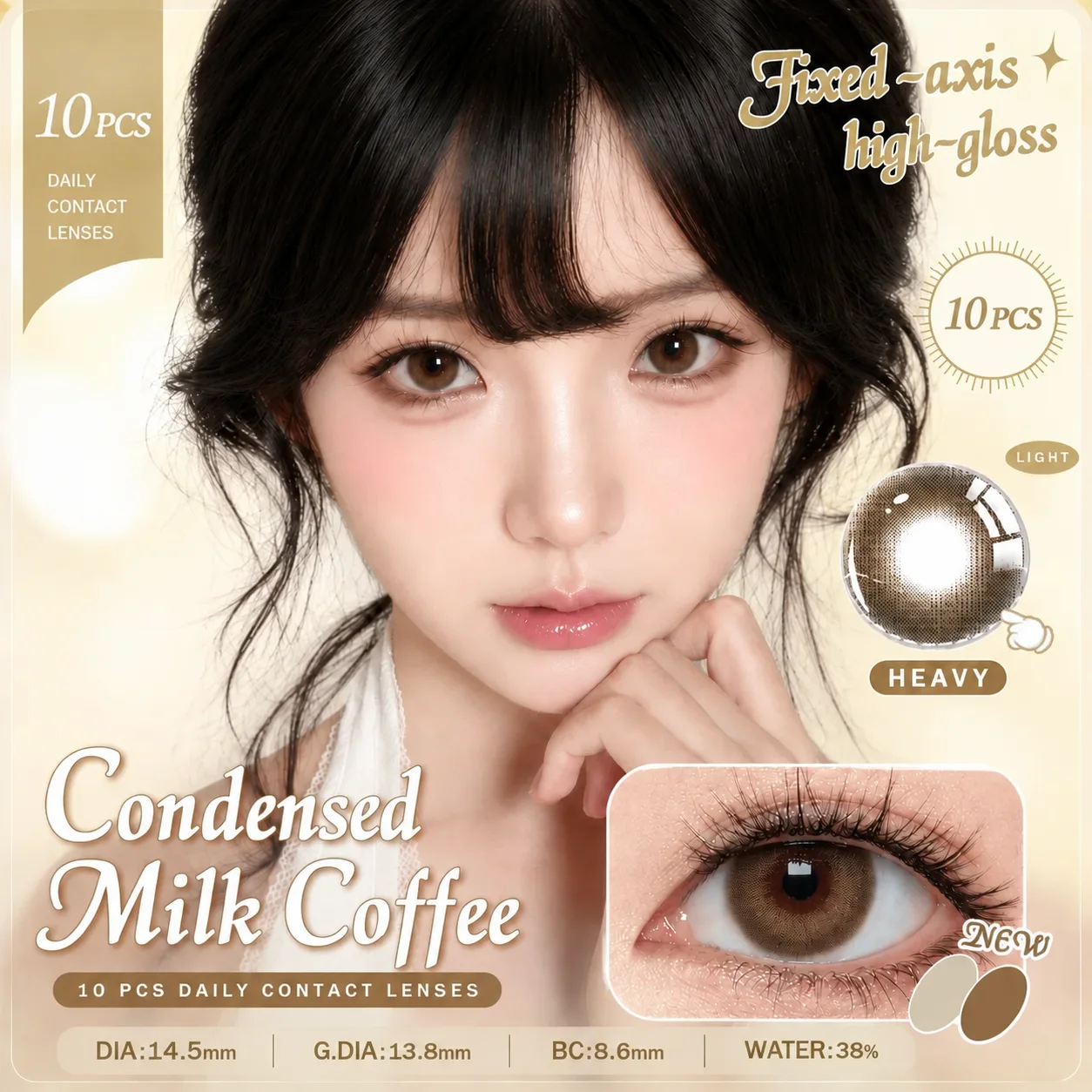
Brown is the shade most likely to look like your own eye with more warmth. On dark eyes it reads as a lighter chestnut in daylight and as almost natural indoors. Choose a lens with a feathered inner edge so the pupil area is not blocked. If you want the effect to be noticeable in photos, step up the diameter rather than the pigment.
Hazel: the most convincing colour shift
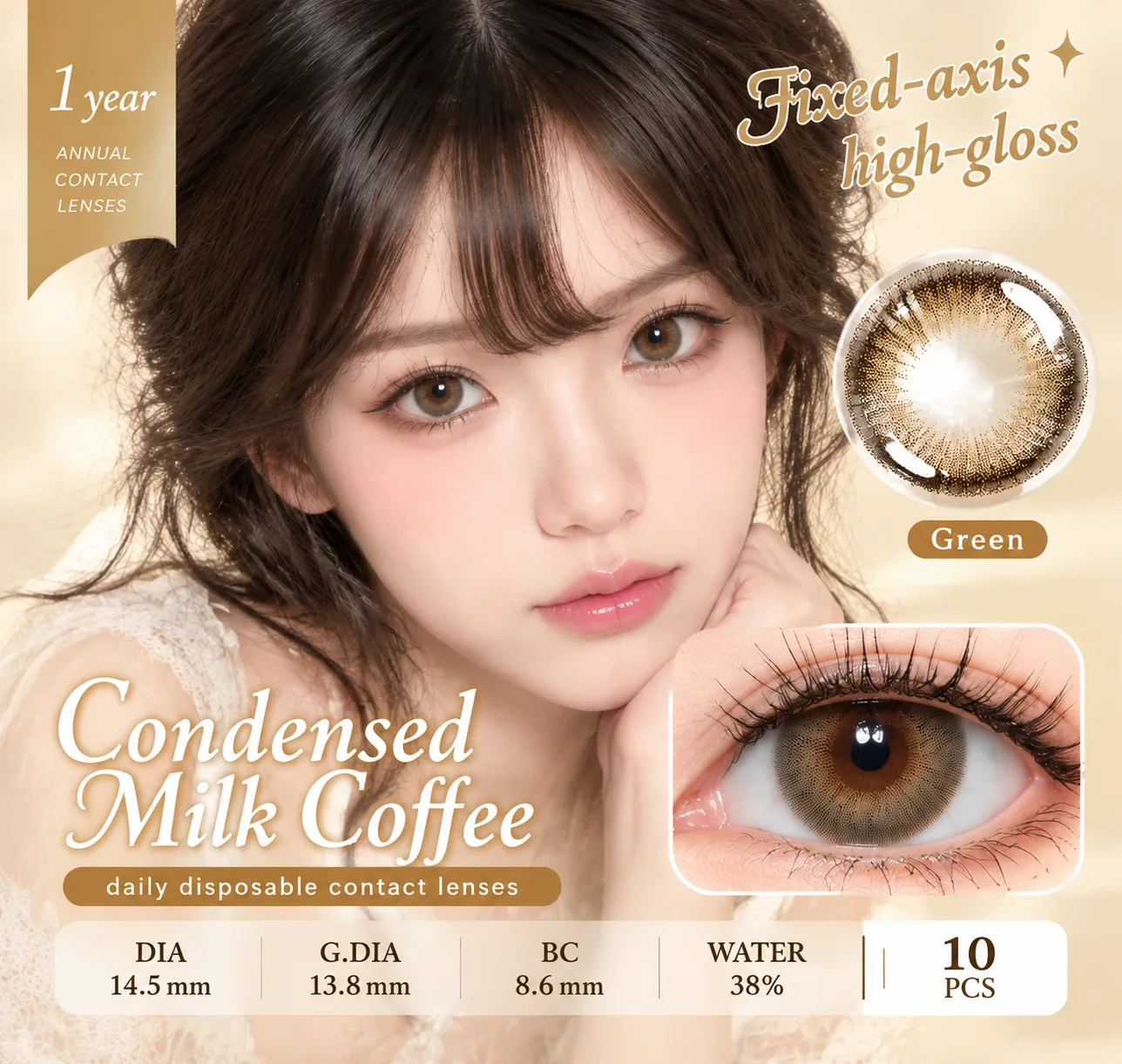
Hazel mixes amber and olive, which is why it flatters dark irises so well: the two colour families sit close together. The risk with hazel is looking yellow under warm artificial light, so a lens with a slightly grey outer ring keeps it believable at night.
Grey: the contrast play
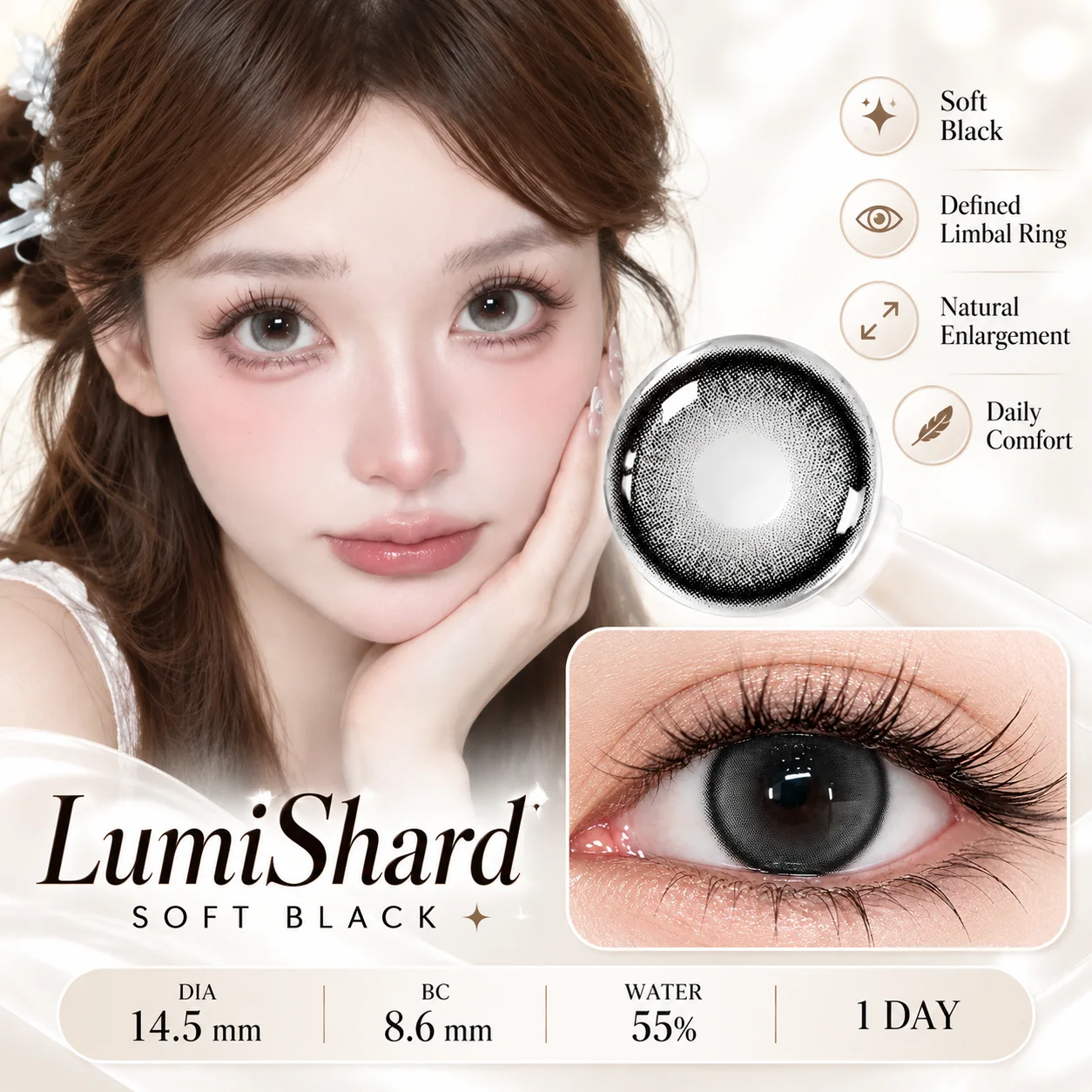
Grey is the shade that changes dark eyes the most, and also the one most likely to look artificial. It works when the lens keeps a defined limbal ring and fades toward the centre. Grey pairs well with cool-toned makeup and tends to photograph better than it looks in a mirror.
Green and blue: use them deliberately
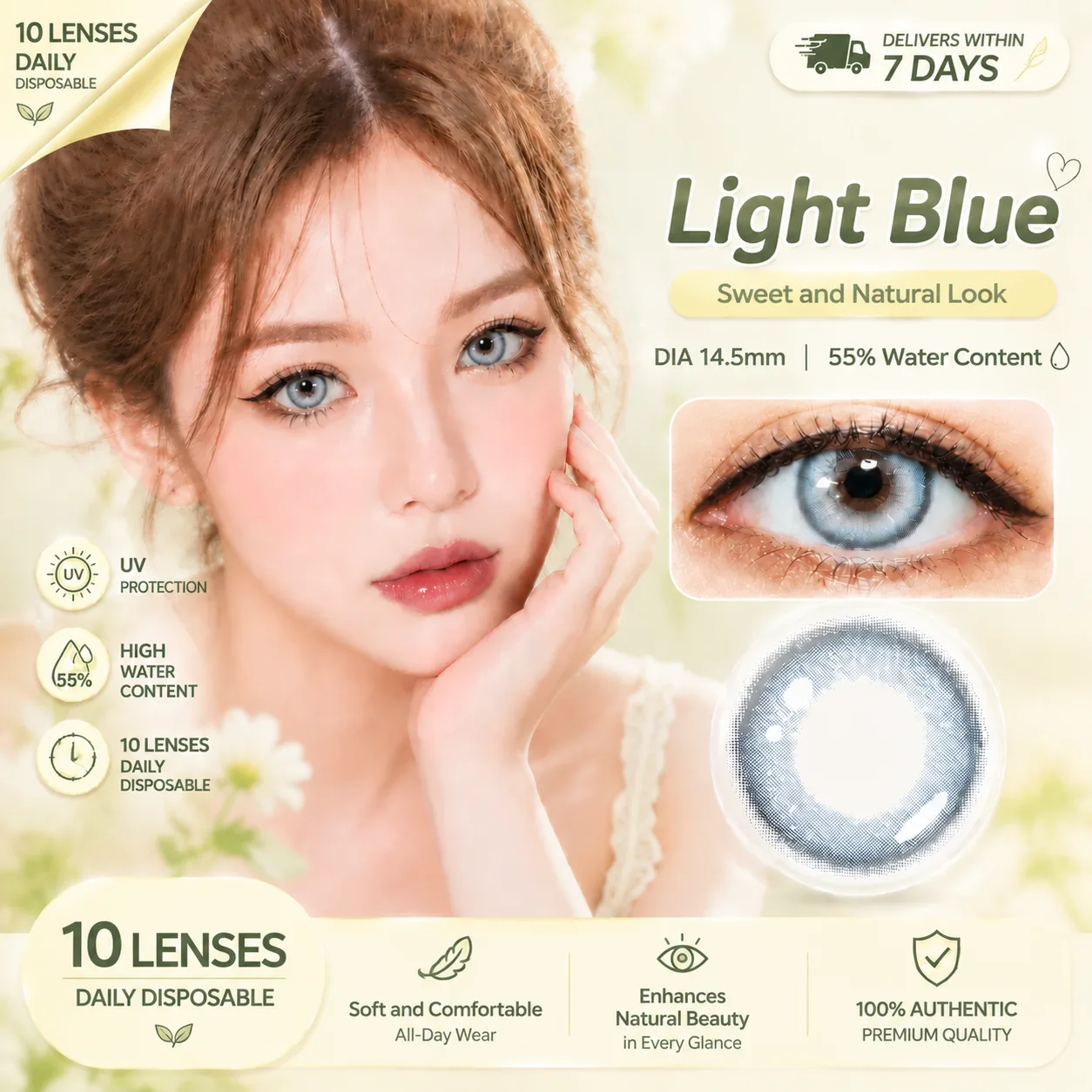
Green and blue are the highest-contrast options on dark eyes. They work for photos, events and styling, and they need a larger diameter to avoid a floating-colour look. For everyday wear, keep the pigment soft and the ring defined.
Diameter and graphic diameter
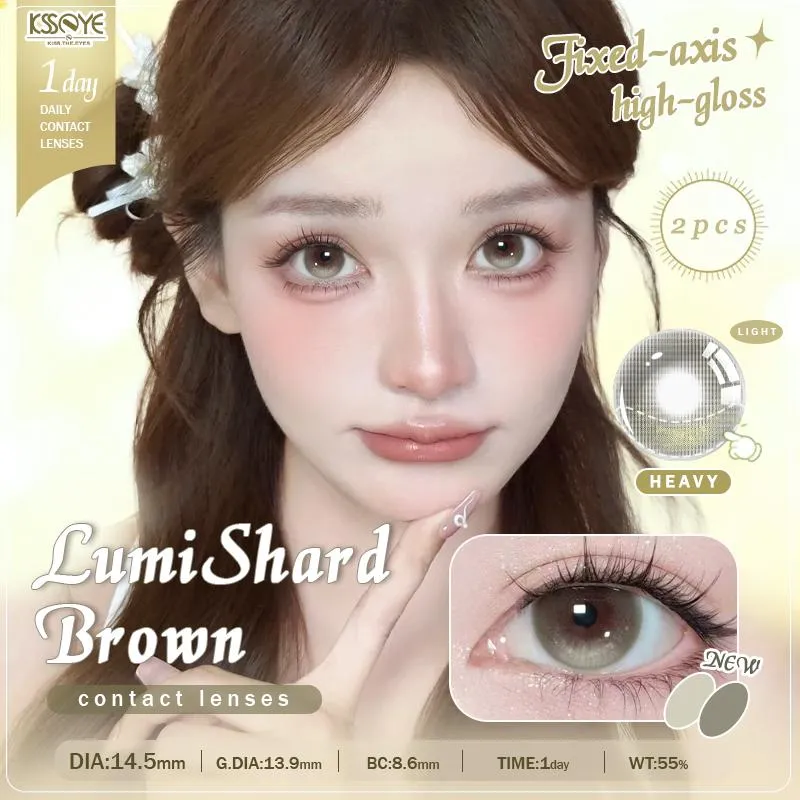
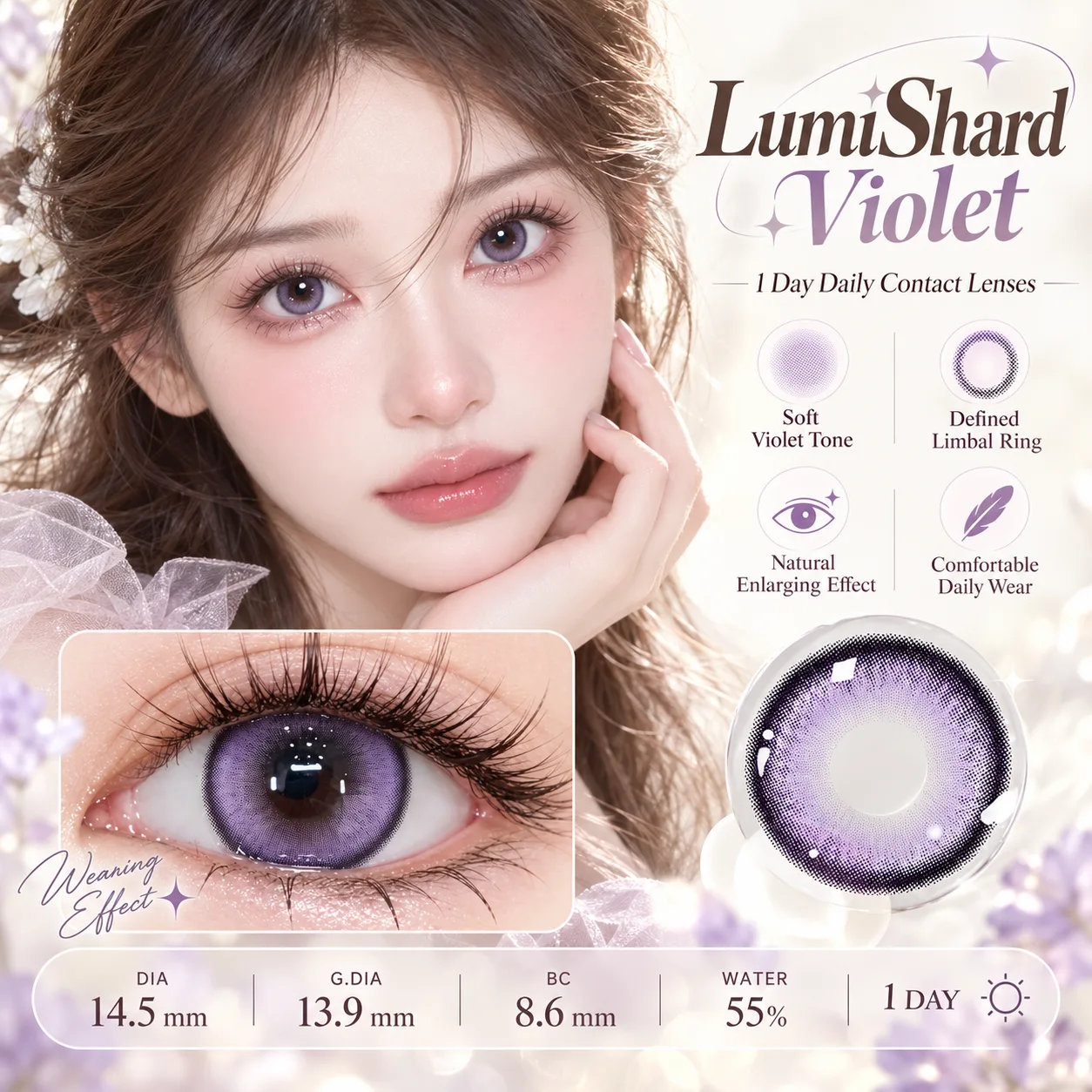
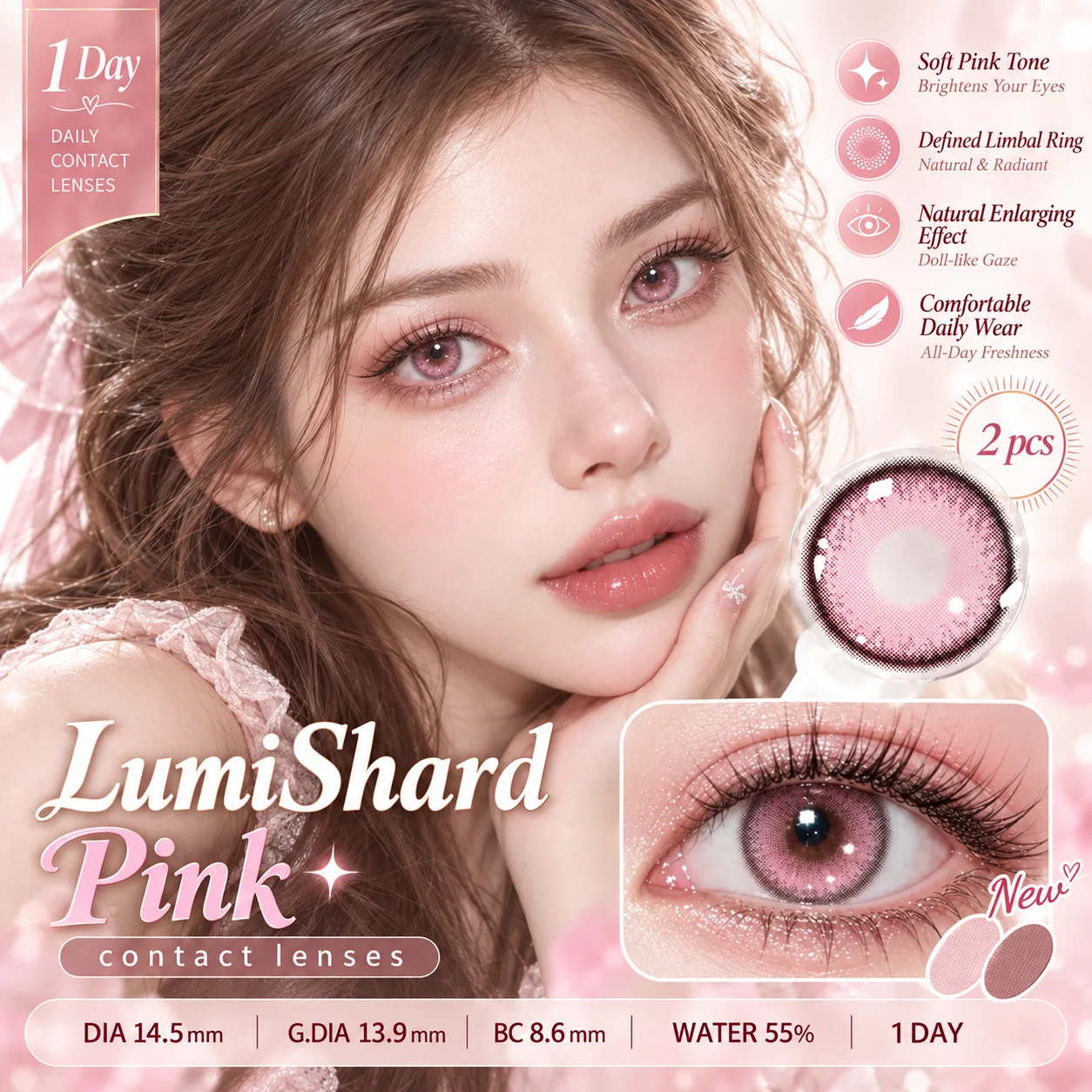
Diameter (DIA) is the overall lens size; graphic diameter is the printed area. A 14.2 mm lens with a 13.6 mm graphic sits inside a normal iris outline; a 14.5 mm lens with a 13.8 mm graphic pushes the colour closer to the limbal ring and enlarges more. On dark eyes, a slightly larger graphic usually makes the colour read better without extra opacity.
Before you order
Check your prescription, base curve and replacement cycle first, then choose colour. Any lens you wear over the eye needs the same hygiene routine as a clear lens: wash hands, never sleep in them, and replace on schedule. Appearance never overrides fit.
Frequently Asked Questions
Which colour shows up best on very dark eyes?
Hazel and grey show the most obvious change, because they contrast with the natural iris while still blending at the edge. Brown changes the least but looks the most natural.
Is 14.5 mm too big for everyday wear?
It depends on your eye opening and face. 14.2 mm reads as an everyday lens for most people; 14.5 mm is more noticeable and works better for photos or styling.
Do coloured contacts damage eyesight?
A properly fitted, properly cleaned lens does not. Risks come from poor hygiene, sleeping in lenses and wearing them past their replacement date.