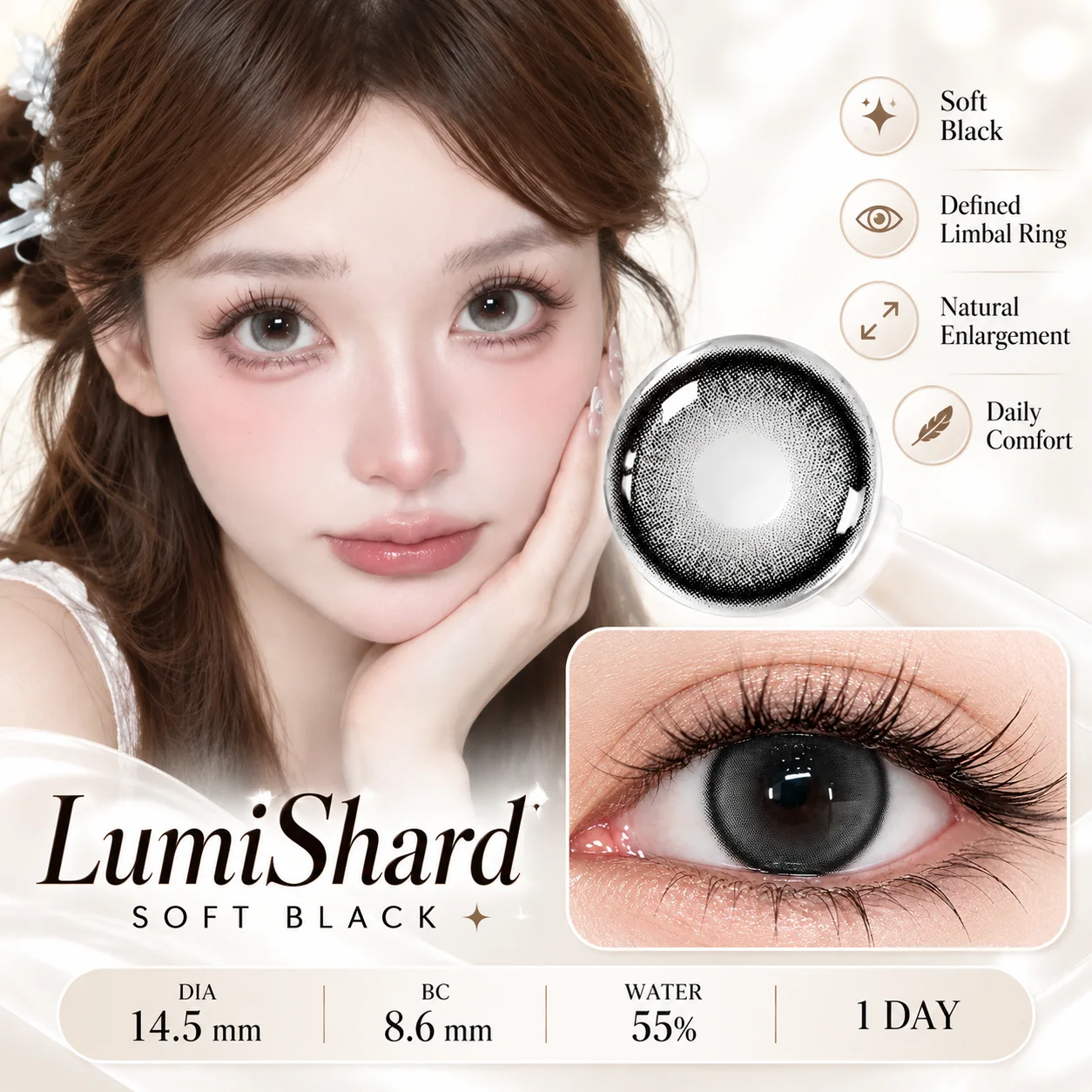
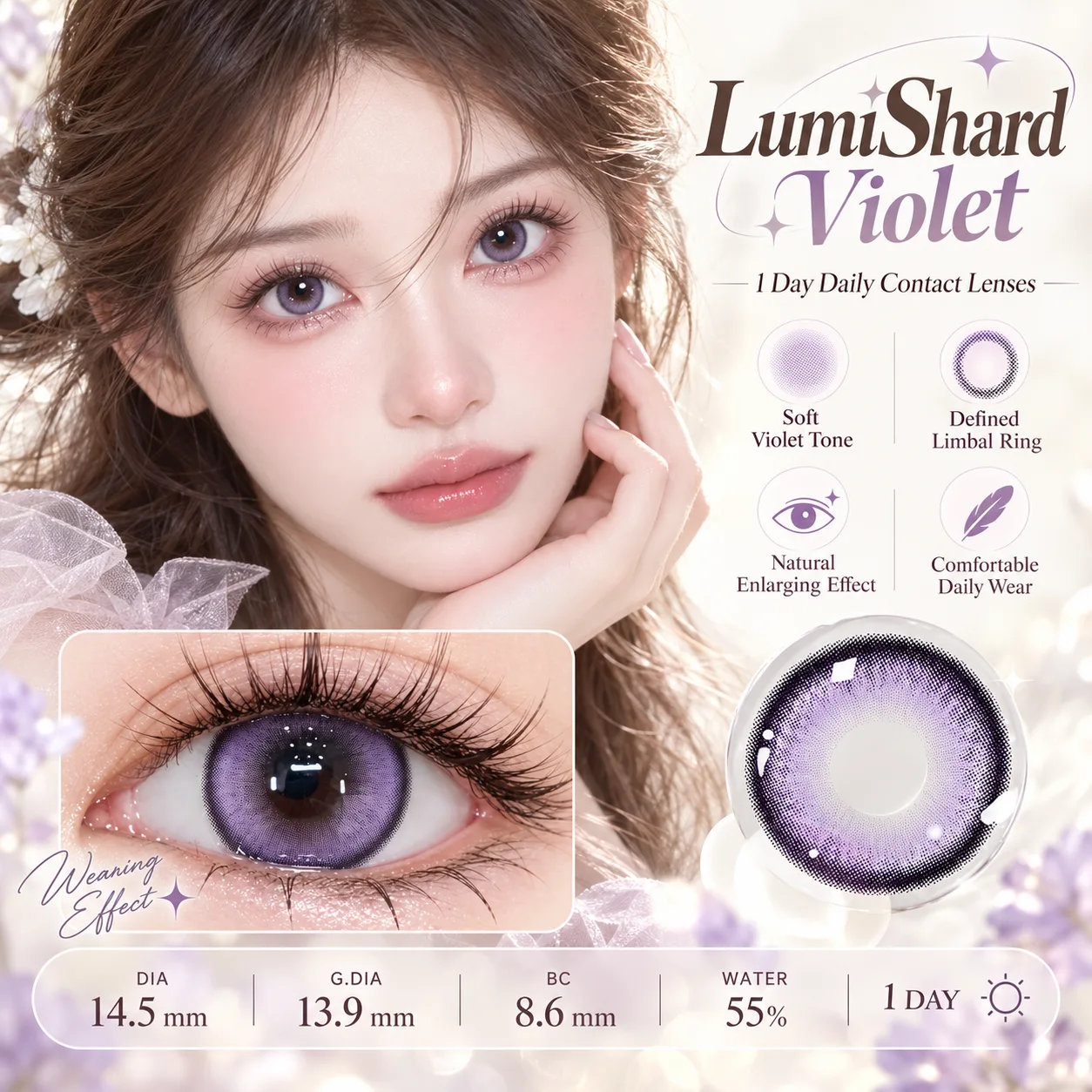
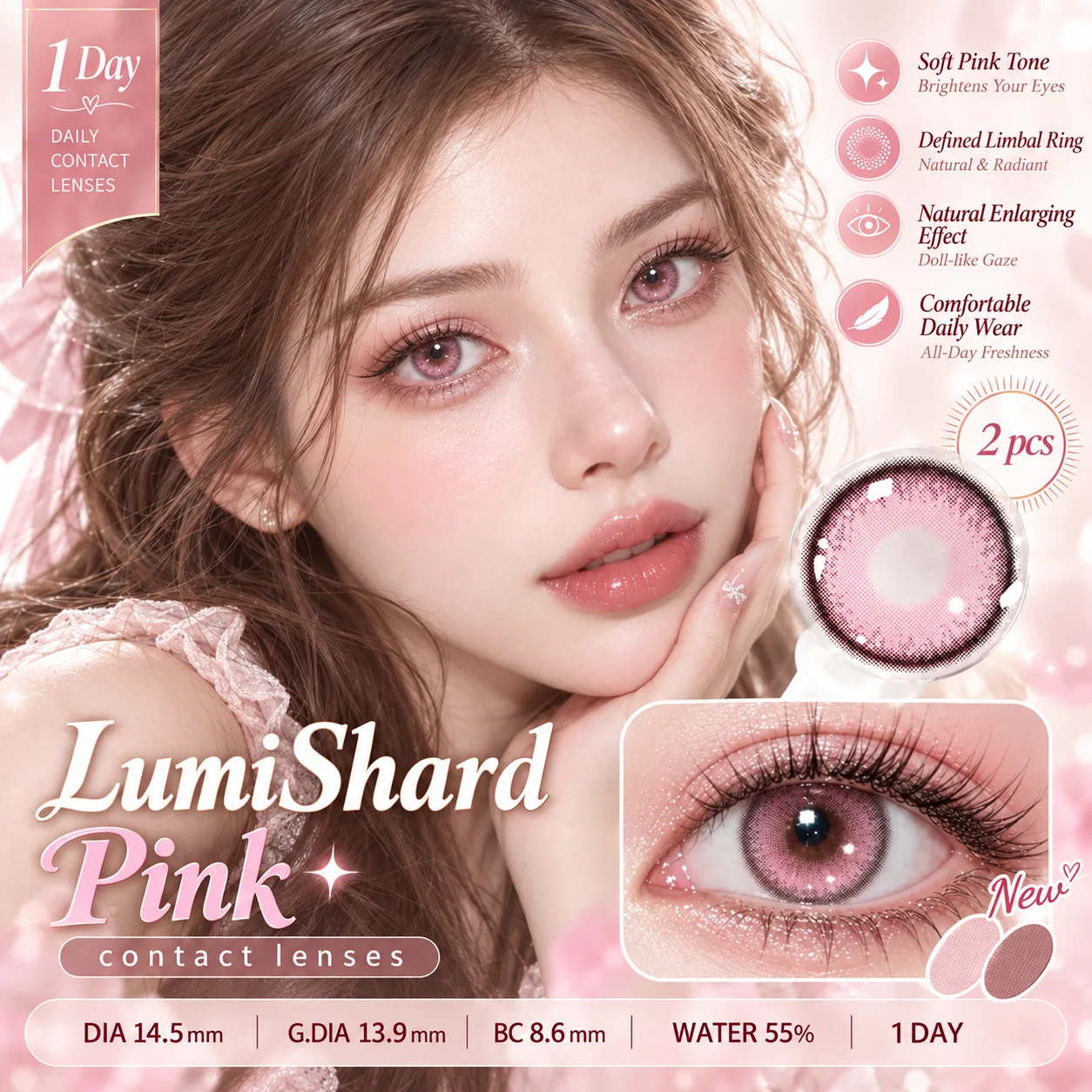
Choose visible pattern
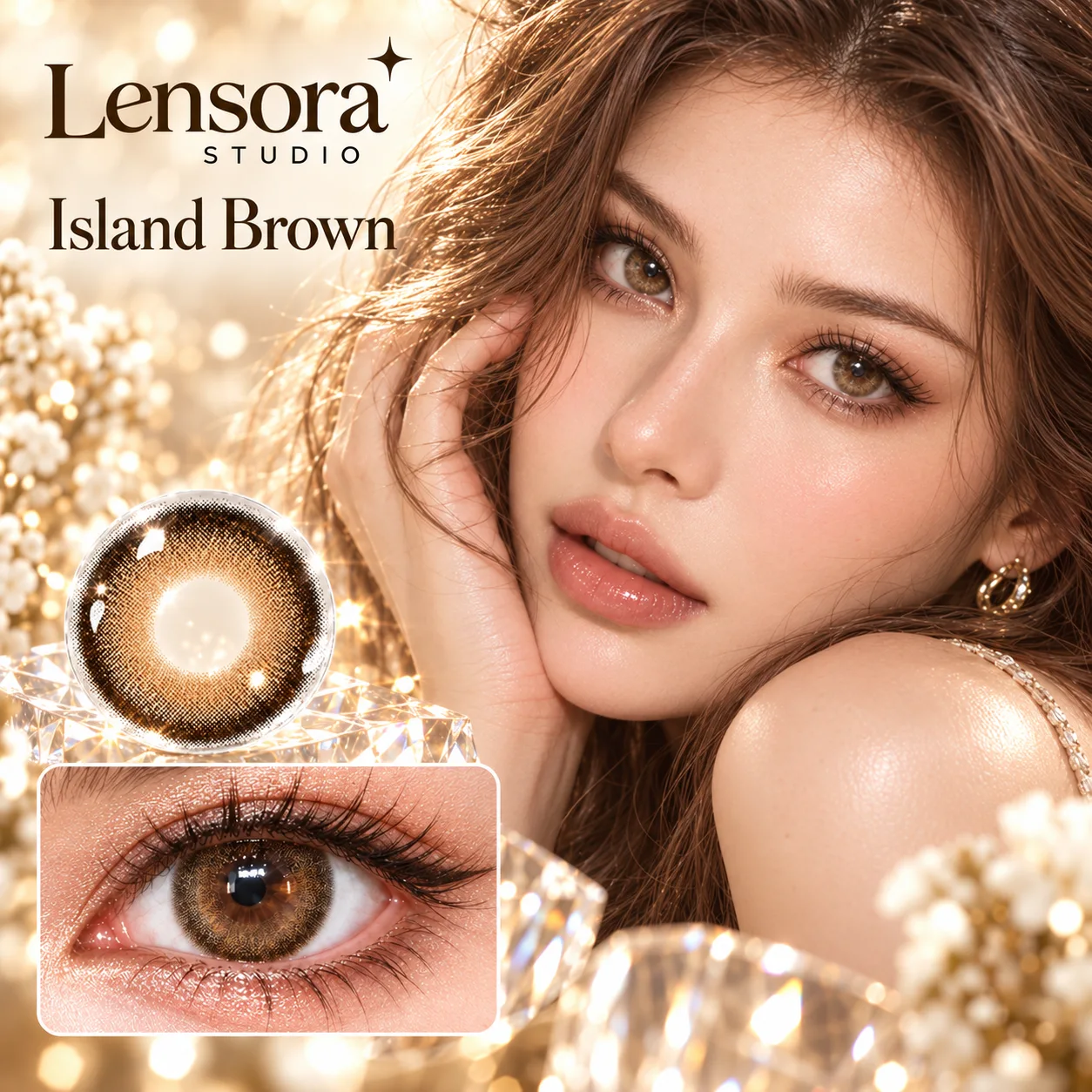
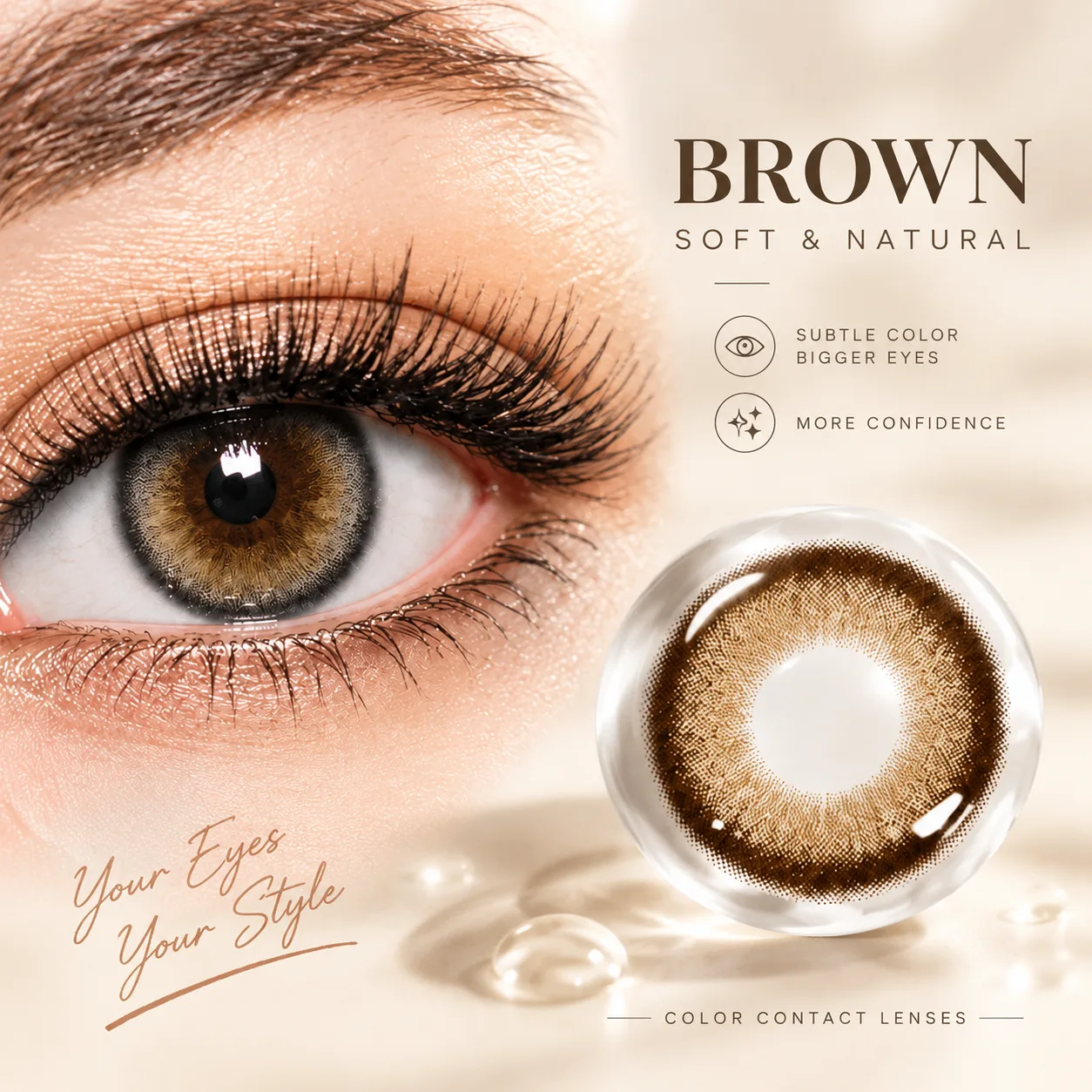
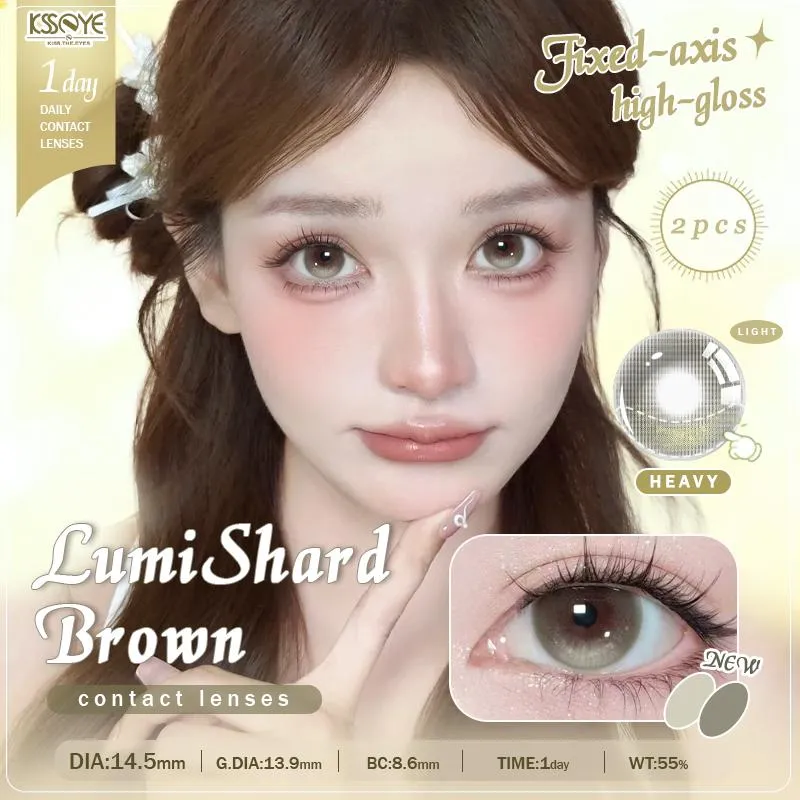
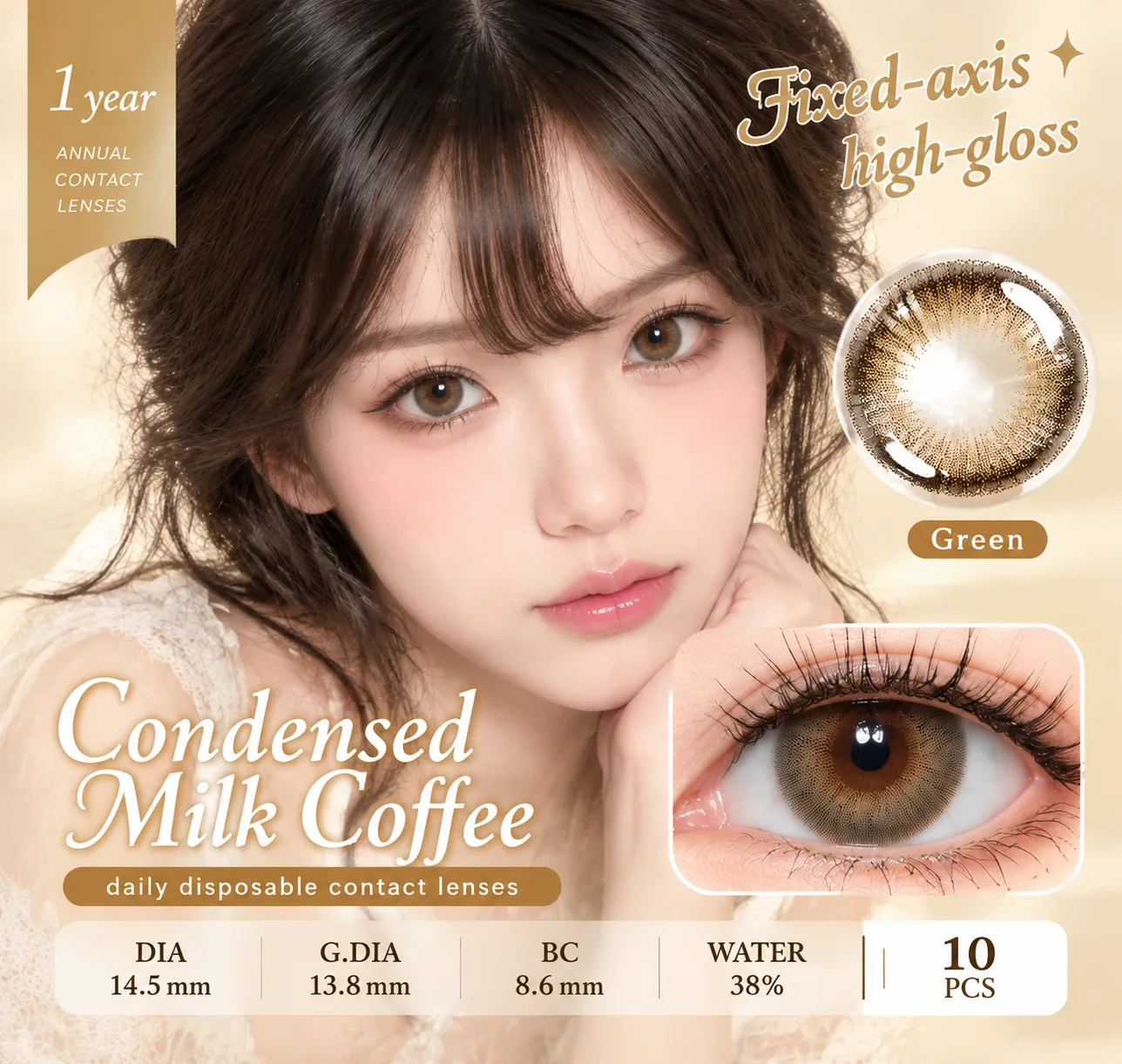
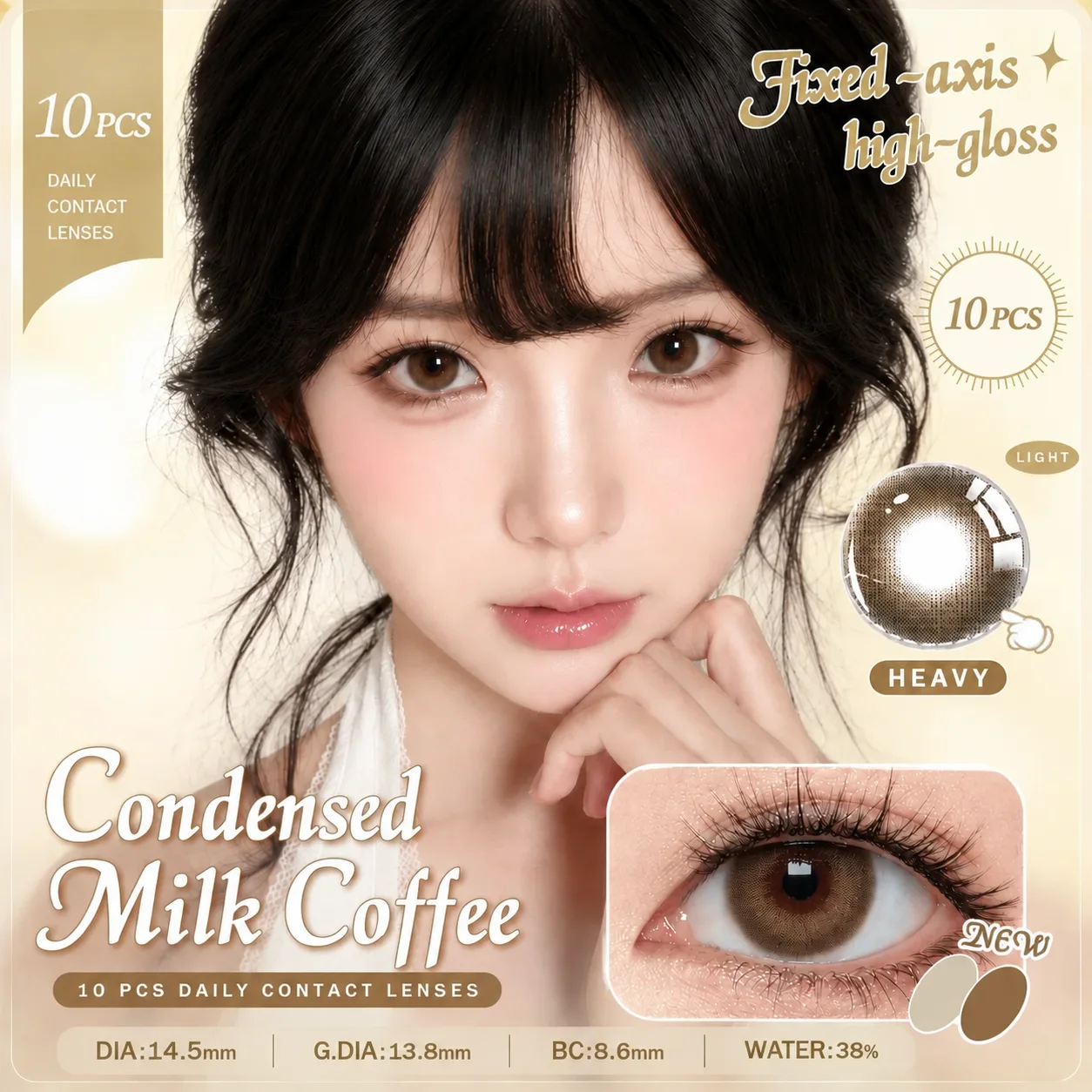
A lens with a defined ring and a gradient centre keeps detail when the image is compressed. Solid-colour lenses lose their depth first.
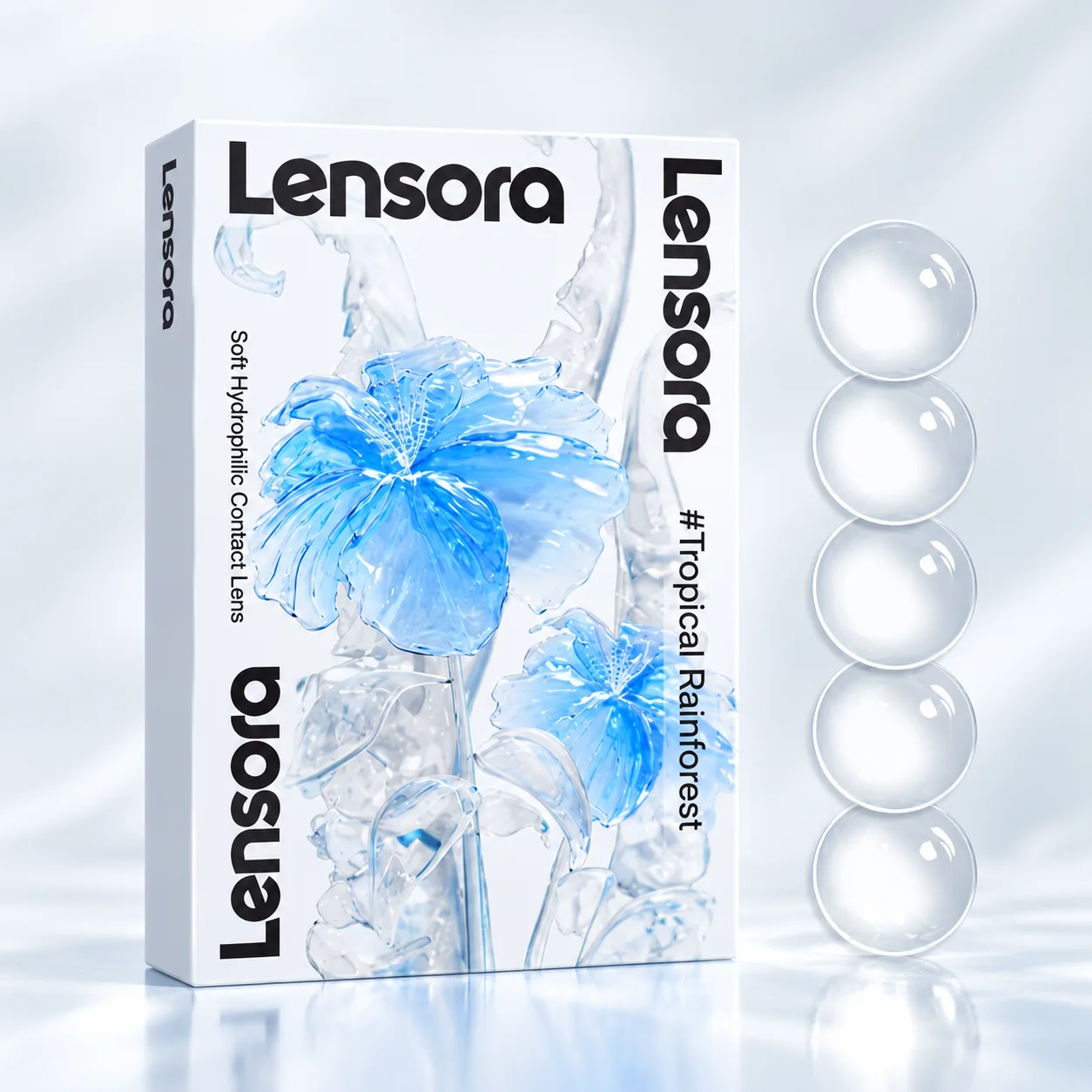
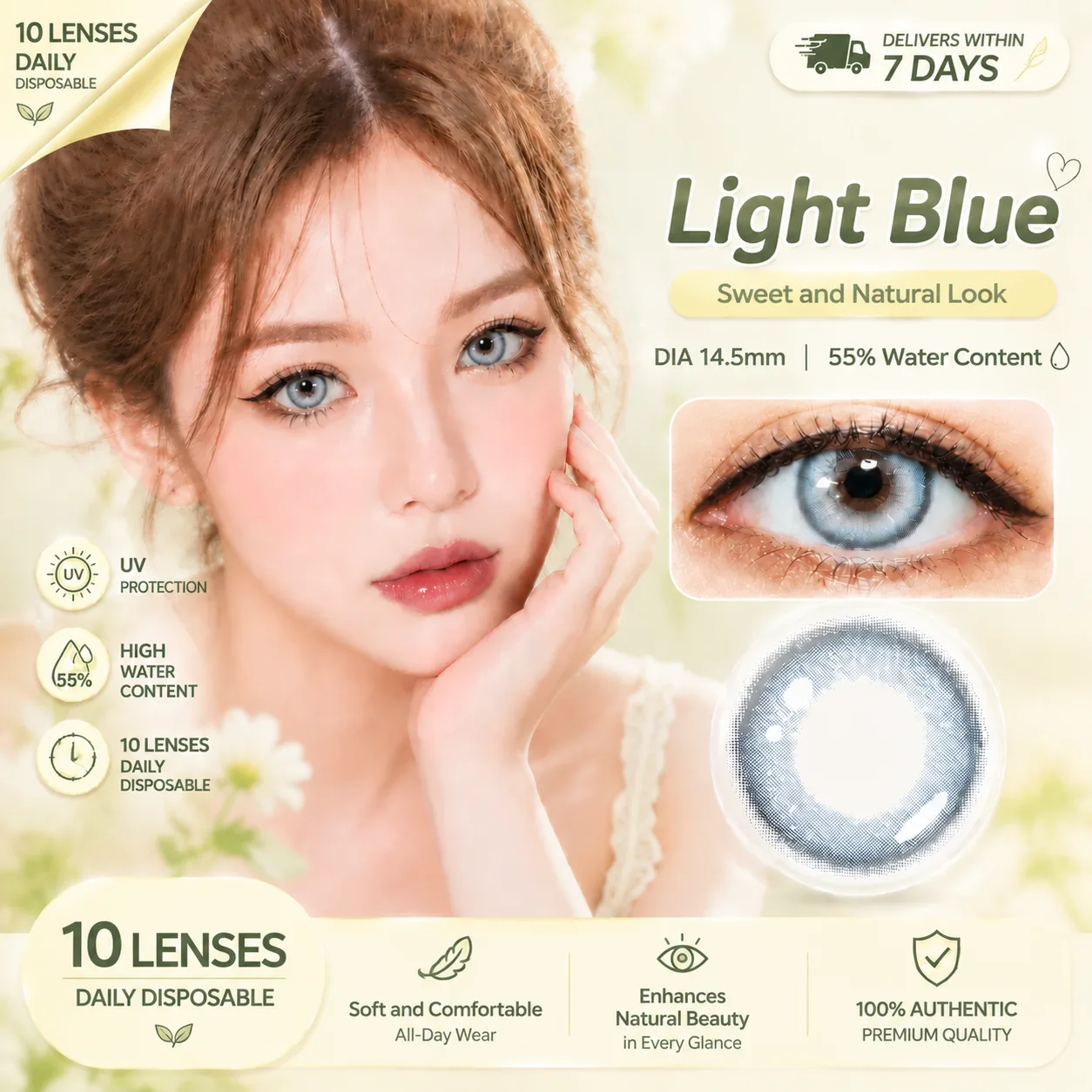
Avoid very light grey and blue
Pale shades wash out under flash and read as a flat pale circle. Warm browns, hazel and grey-brown hold structure.
Match the graphic diameter to the shot
Close-up portraits tolerate a larger printed area; full-body shots need a smaller one or the eyes look oversized.
Lighting direction
Ring lights flatten; window light preserves texture. If you control the light, use a large soft source to one side.
Test before the shoot
Take phone photos in the actual lighting with the actual lens. Five minutes of testing prevents a reshoot.
Frequently Asked Questions
Do lenses look different on video?
Yes. Compression and white balance shift colour, especially blues and greens.
Which shade photographs most naturally?
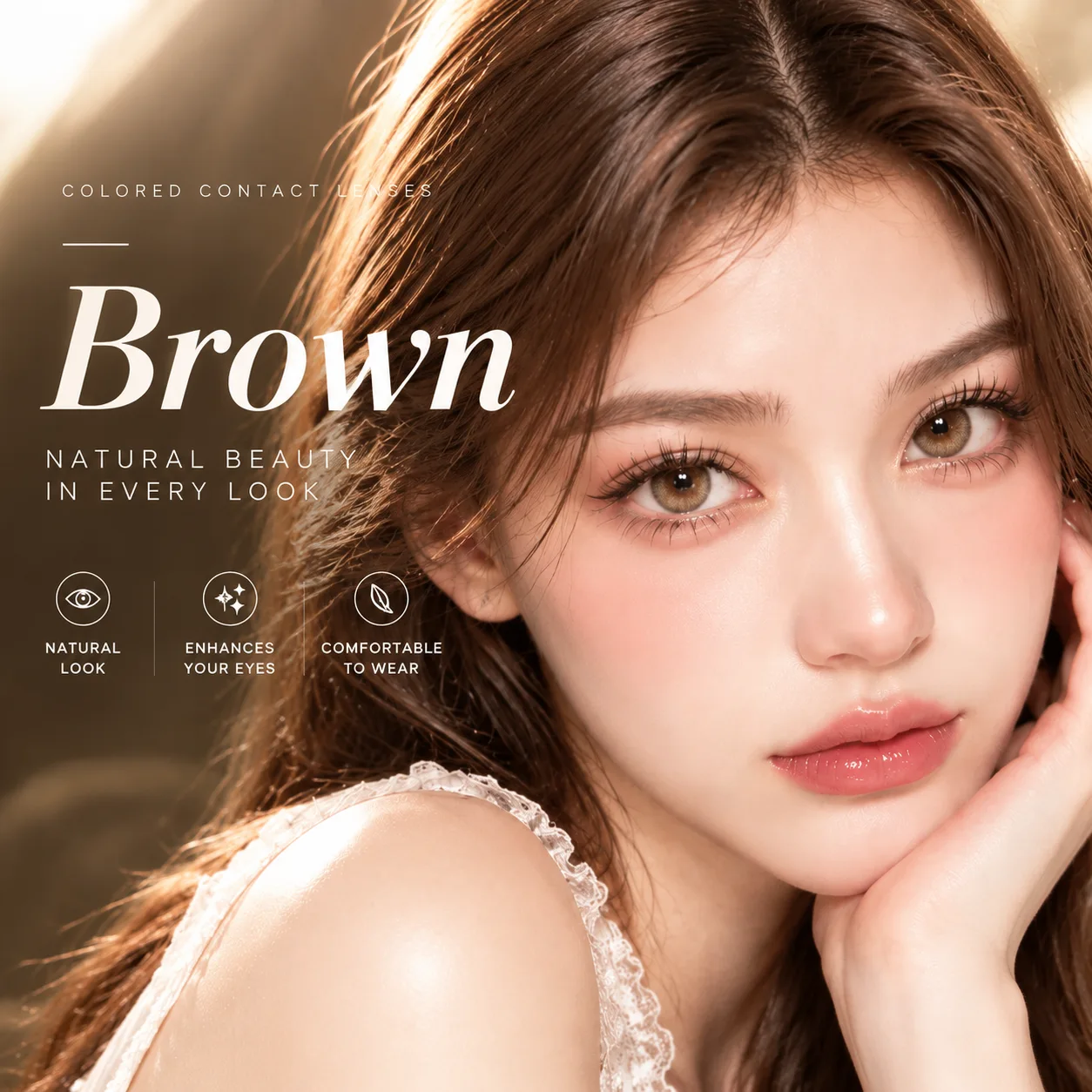
Warm brown with a soft ring on most people.
Should I avoid flash?
Flash flattens pattern detail. Bounce or diffuse it if you can.