Water content is a trade-off
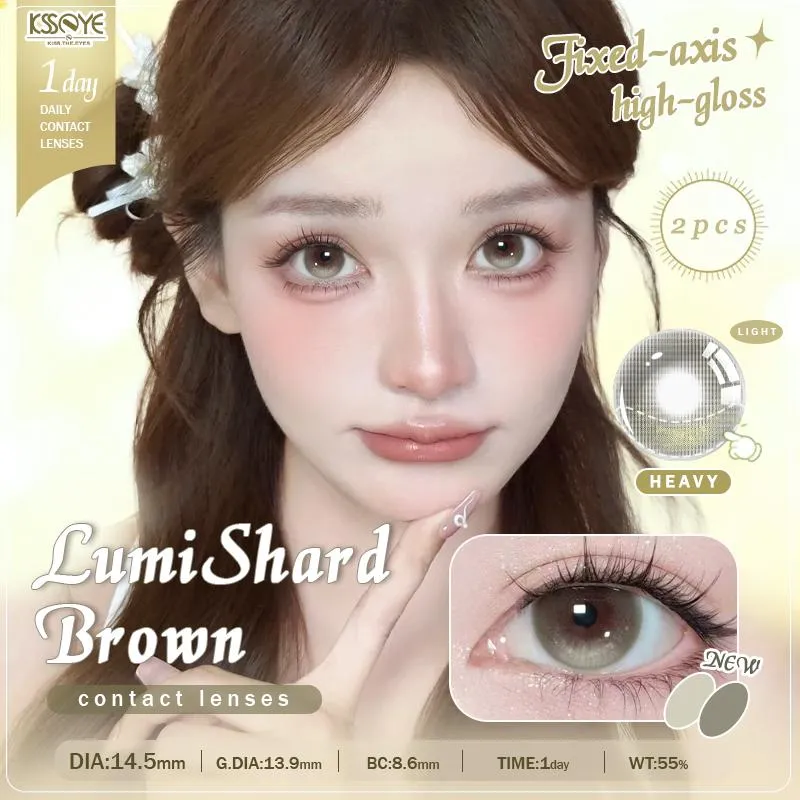
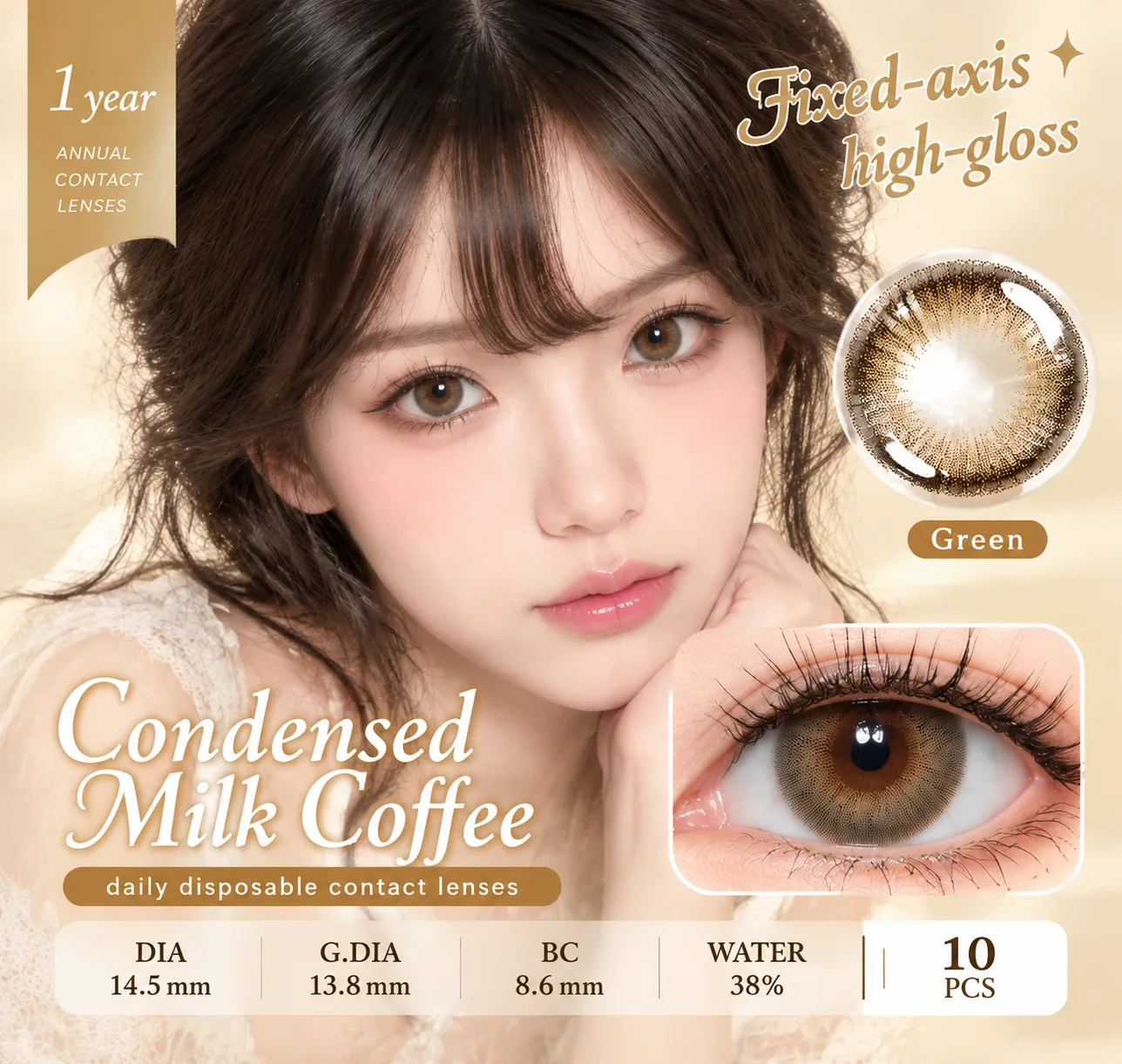
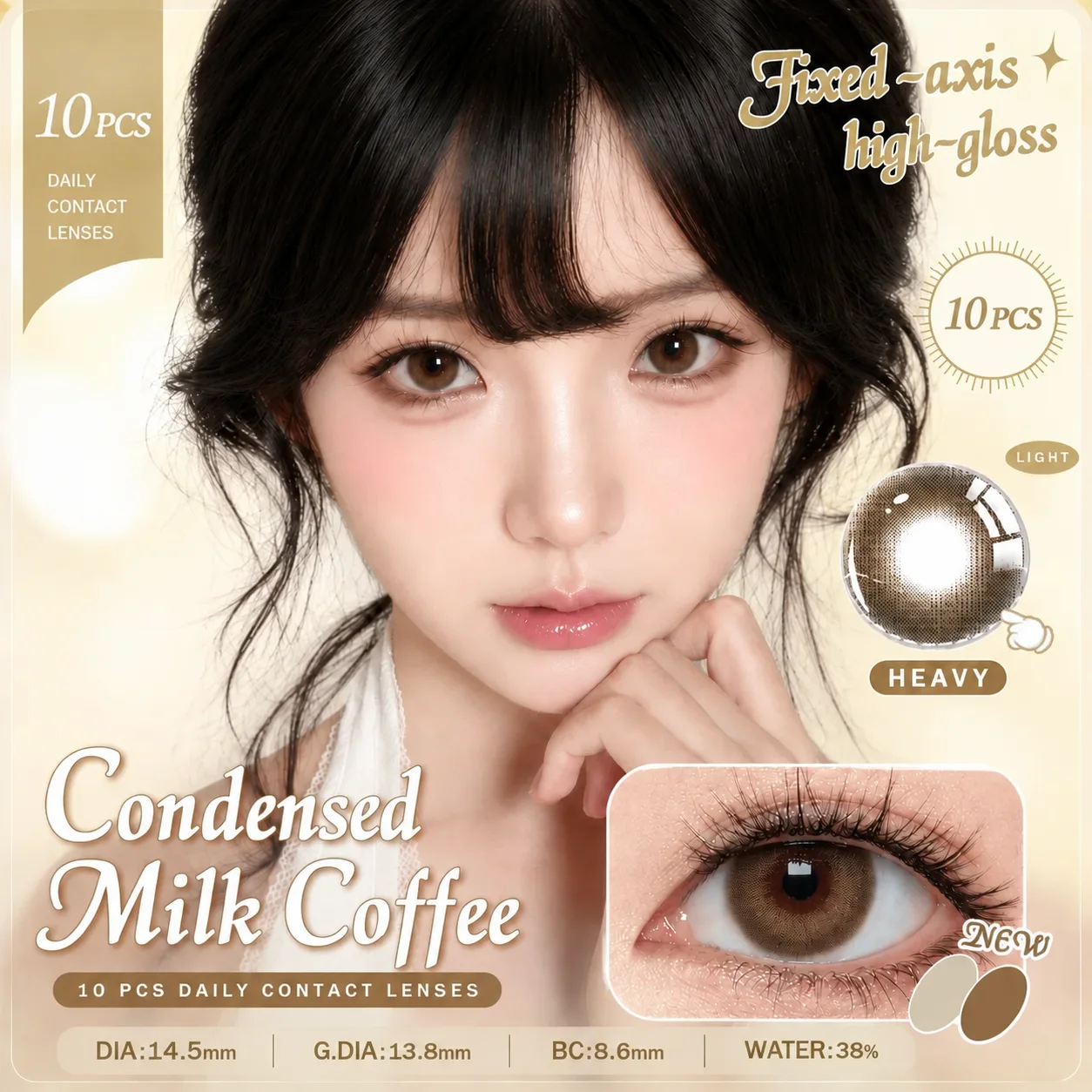
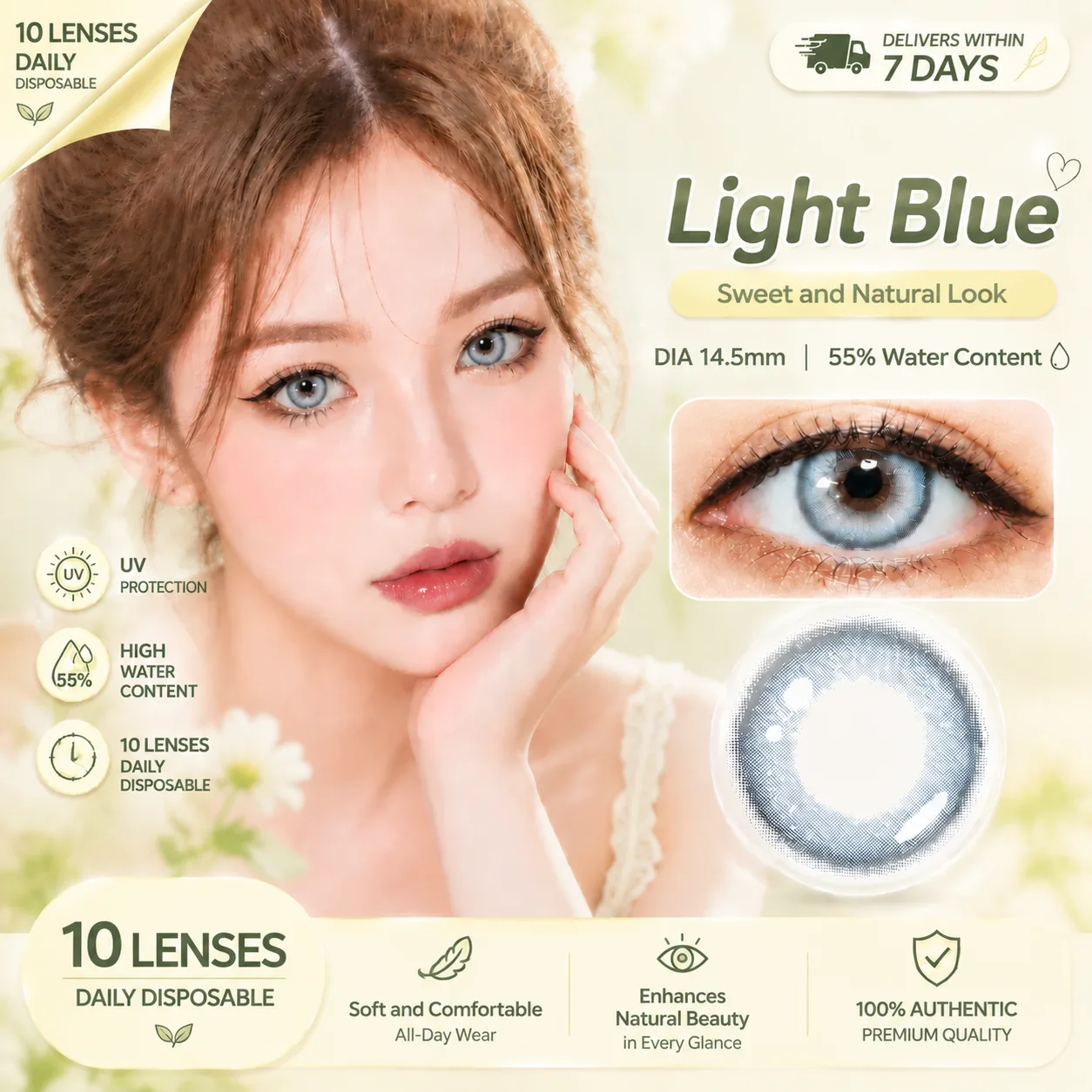
High water content (55% and above) is soft and comfortable initially, but the lens needs water to stay hydrated and will take it from the tear film if the eye is dry. Low water content (around 38 to 45%) holds its shape better and dehydrates more slowly.
Silicone hydrogel
Higher oxygen transmission and less dependence on water content. Often the better choice for long days, though it needs a good fit.
Fit affects dryness
A lens that is too flat or too steep moves poorly and disrupts the tear film. Base curve matters as much as material.
Environment
Air conditioning, heating and screens all reduce tear film stability. Rewetting drops without preservatives, used before the eye feels dry, help more than using them after.
When to stop
If lenses are uncomfortable within two hours on most days, the fit or the material is wrong. Changing colour will not fix it.
Frequently Asked Questions
Is higher water content better for dry eyes?
Not necessarily. It feels softer at insertion but can worsen dryness later in the day.
Can I use eye drops with lenses?
Only drops labelled for use with contact lenses, preferably preservative-free.
Should I avoid coloured lenses entirely?
No, but choose a lower water content material, a precise fit and shorter wear times.