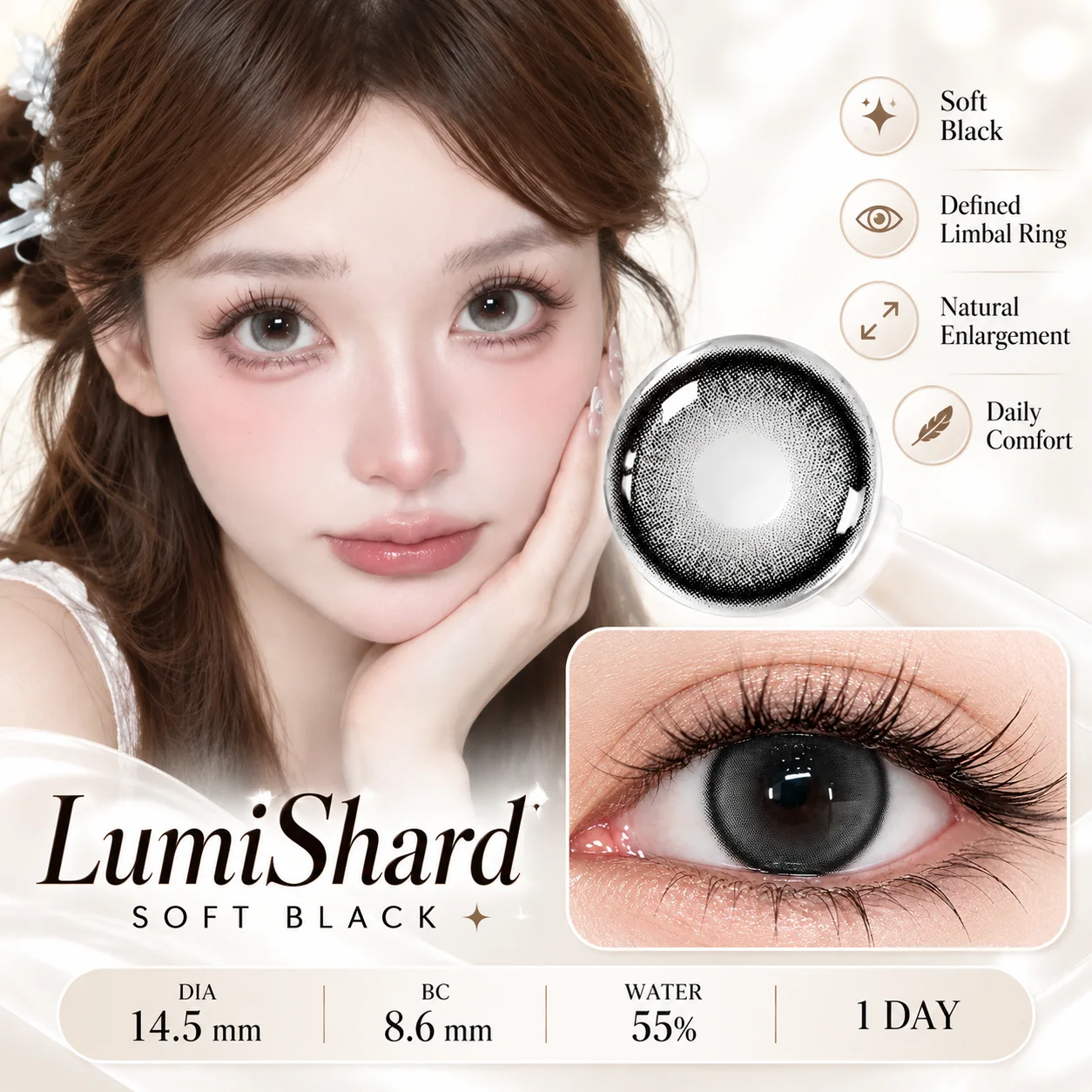
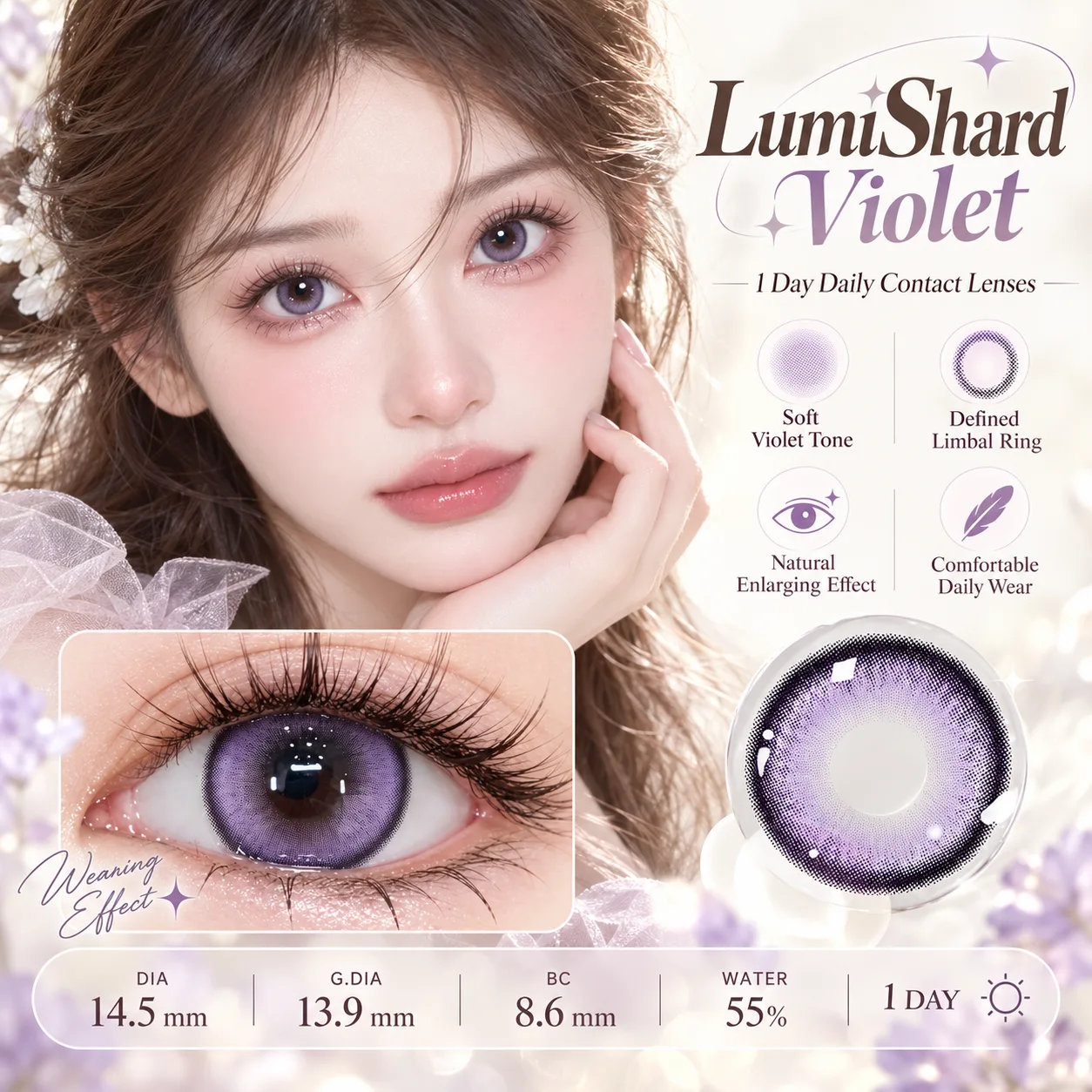
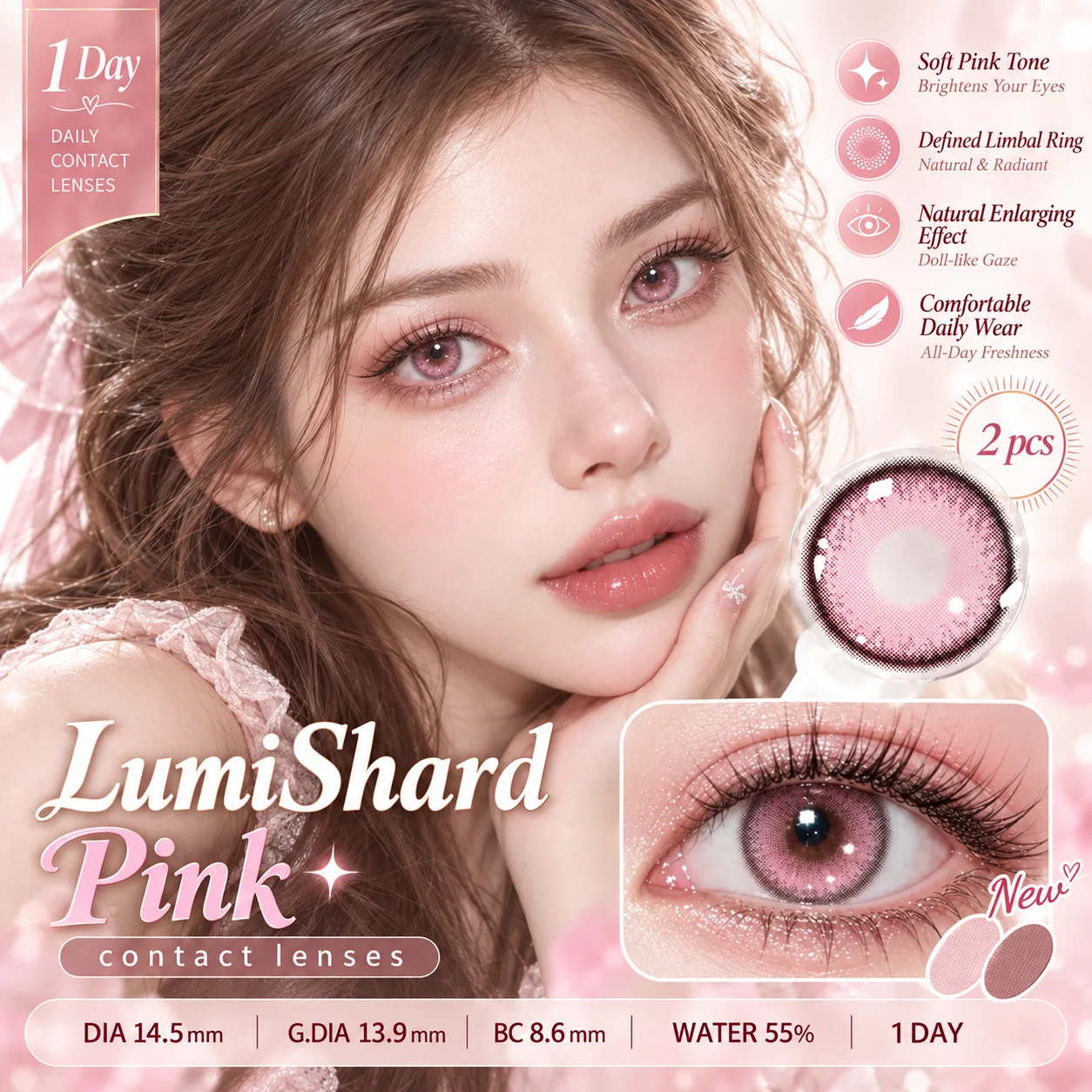
Indoor warm light
Tungsten and warm LED lighting push every shade toward yellow and orange. Brown and hazel lenses look richer; grey and blue look muted and slightly green.
Daylight
The most accurate condition and the one to judge by. Blue and grey lenses look their truest here, and pigment edges become visible.
Phone cameras and flash
Flash flattens the iris and exaggerates the printed pattern. Front cameras apply smoothing that can make the ring disappear entirely.
Night and low light
Pupils dilate, covering more of the printed area, so the colour looks smaller and darker. Highly patterned lenses can look almost solid.
Practical rule
If a lens looks good in indirect daylight and acceptable indoors, it will work everywhere. If it only looks good in one condition, it will disappoint.
Frequently Asked Questions
Why do my lenses look different in photos?
Flash and camera processing change contrast and saturation, and dilated pupils hide part of the pattern.
Do darker lenses look more natural in low light?
Yes, because less of the printed area is visible.
Should I buy based on the product photo?
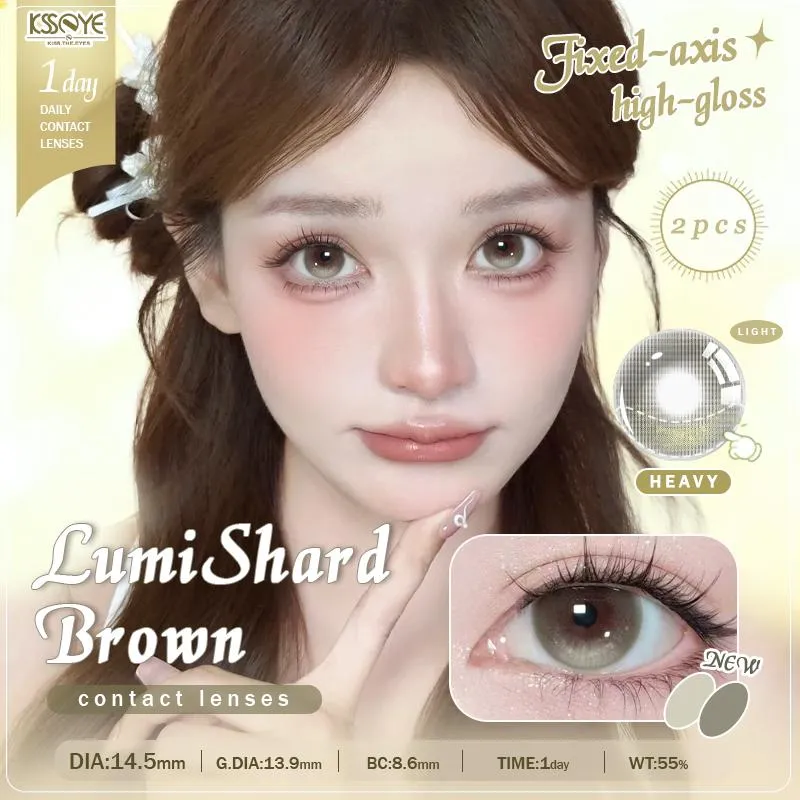
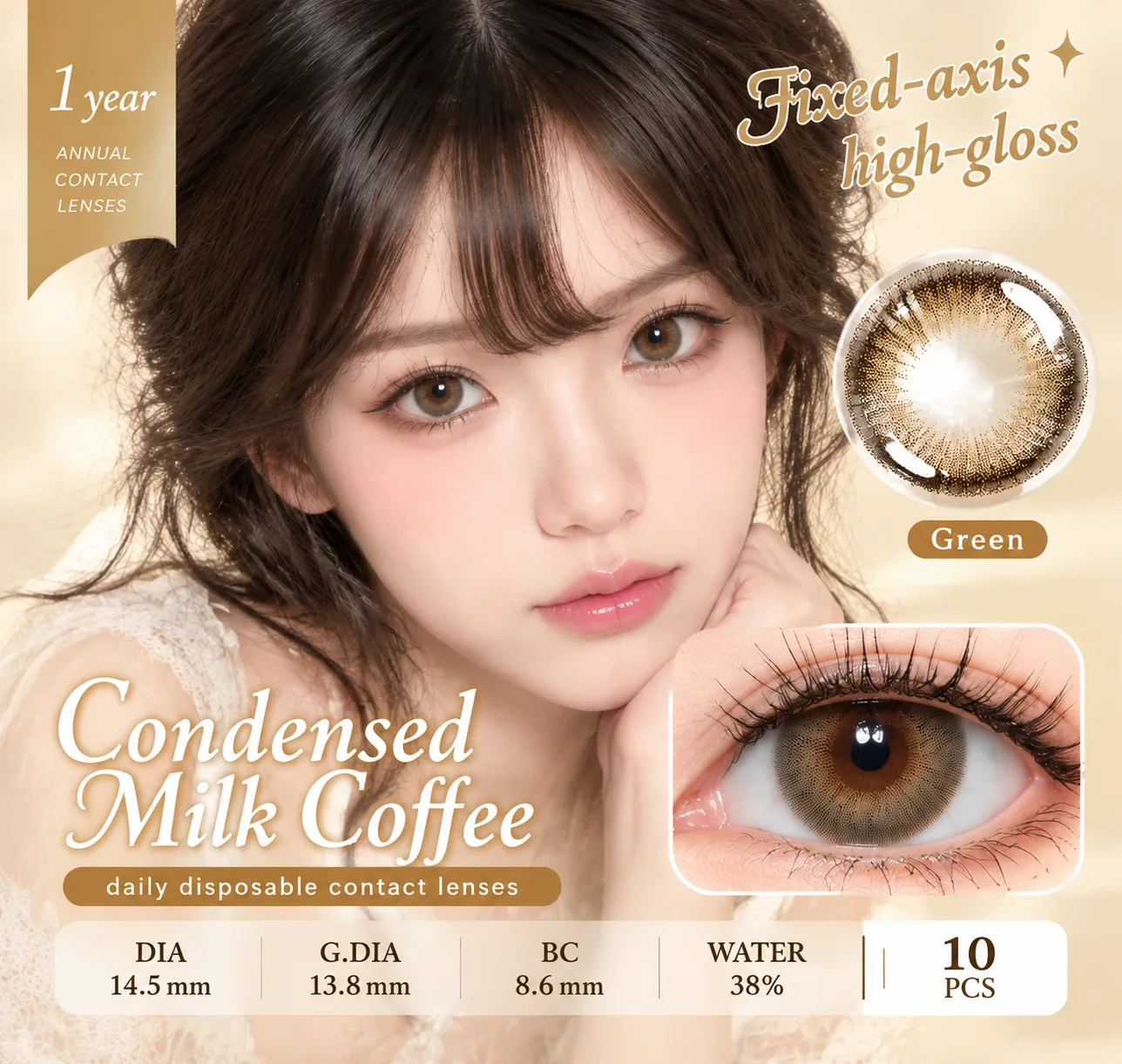
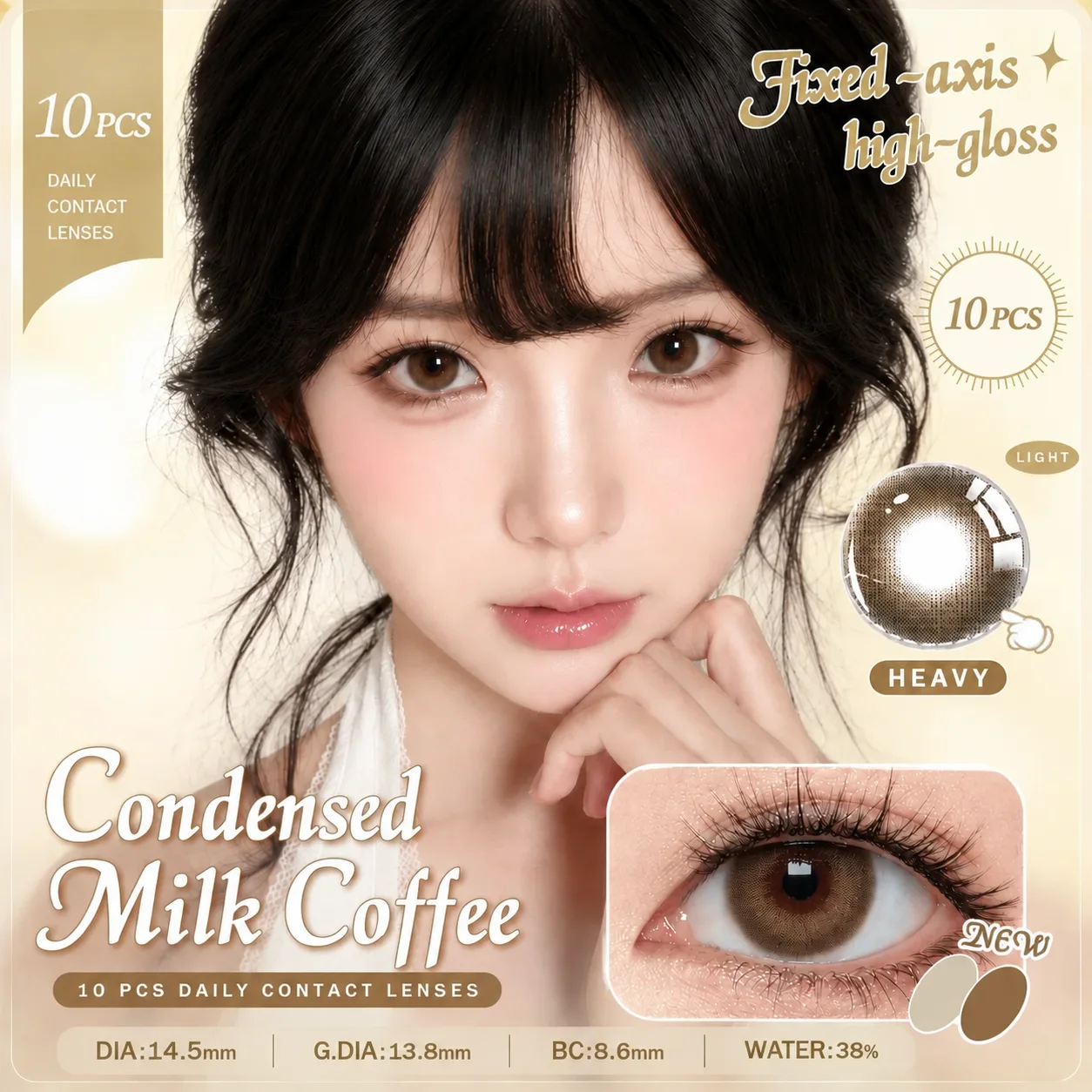
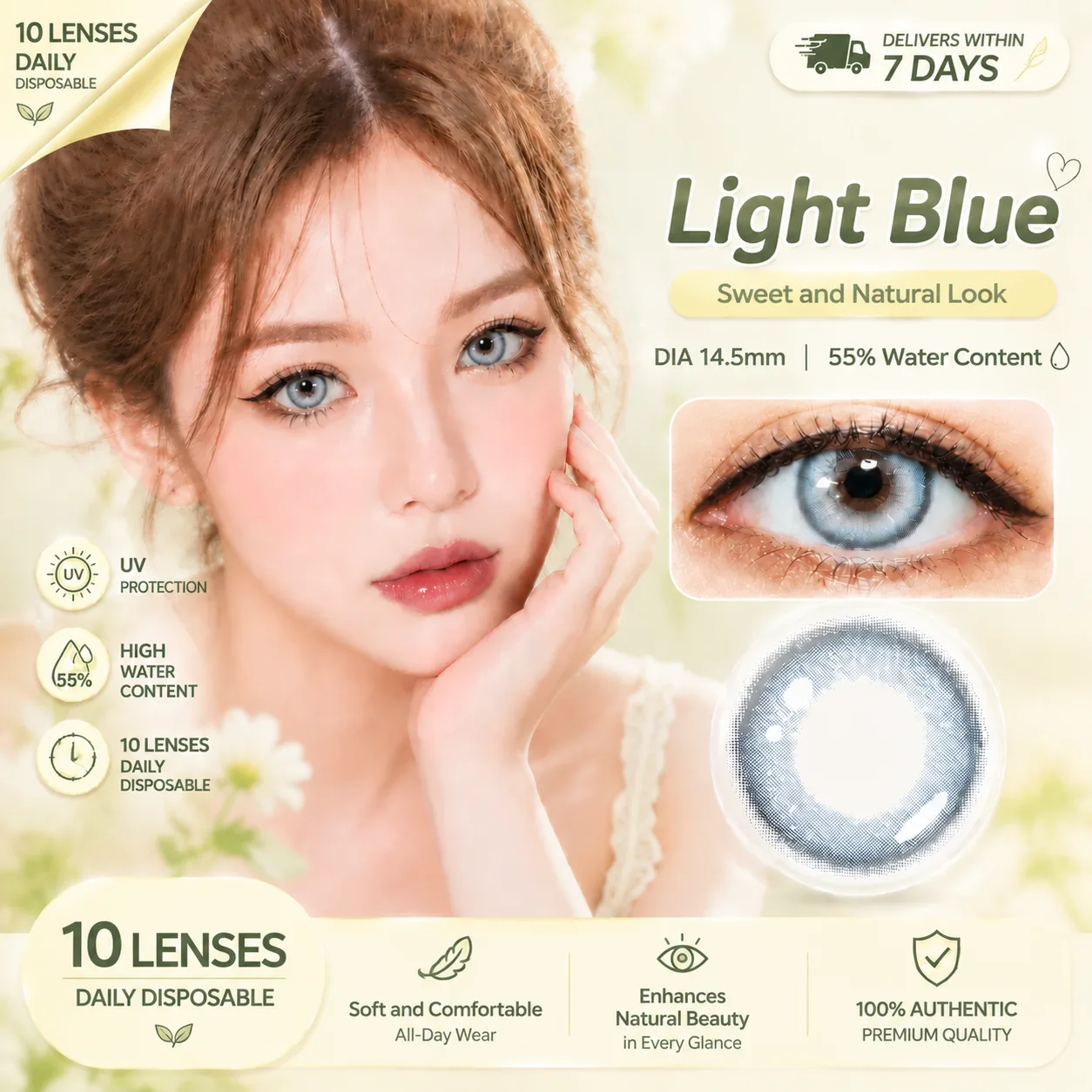
Use it for shade, not for how it will look on your eye. Look for customer photos in daylight.