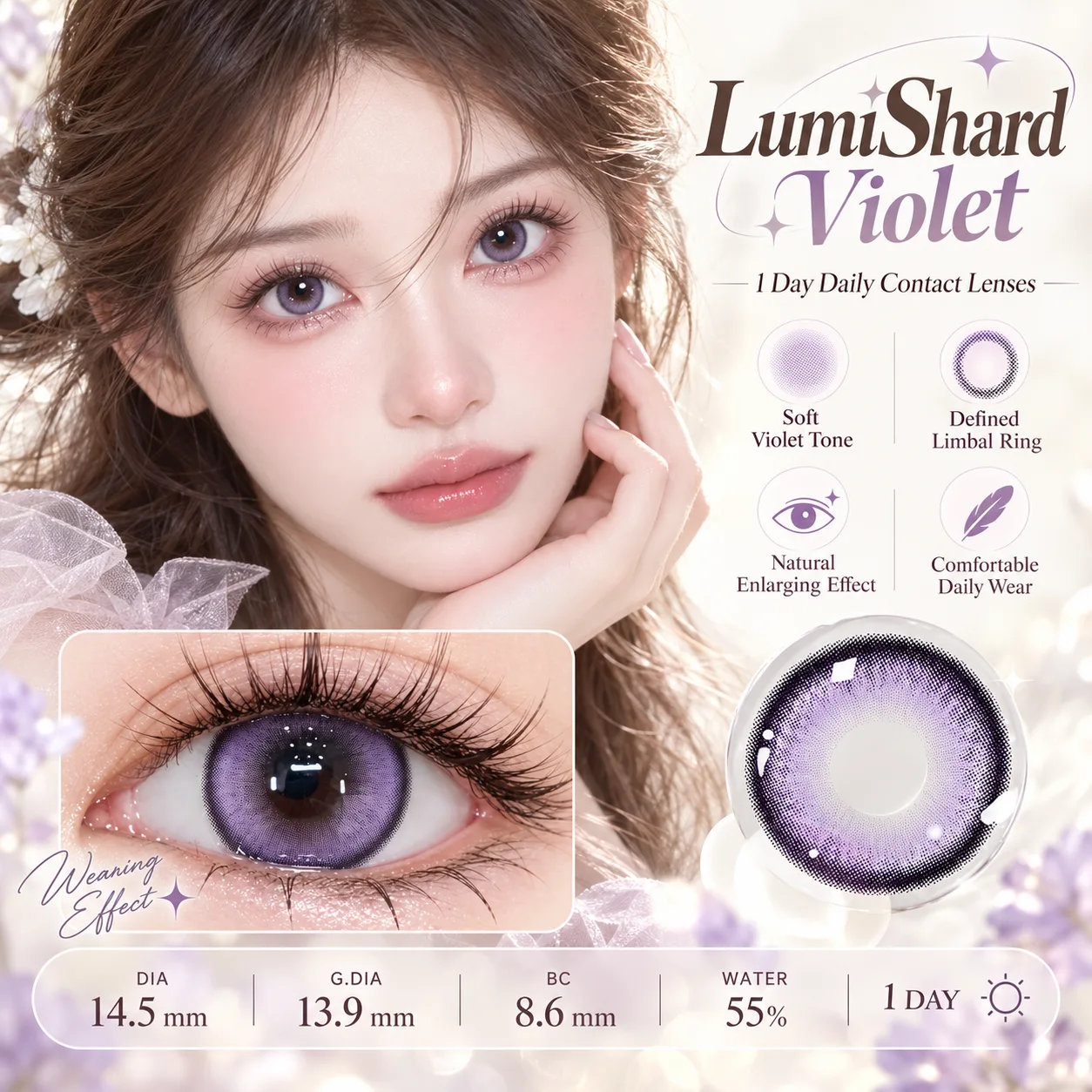
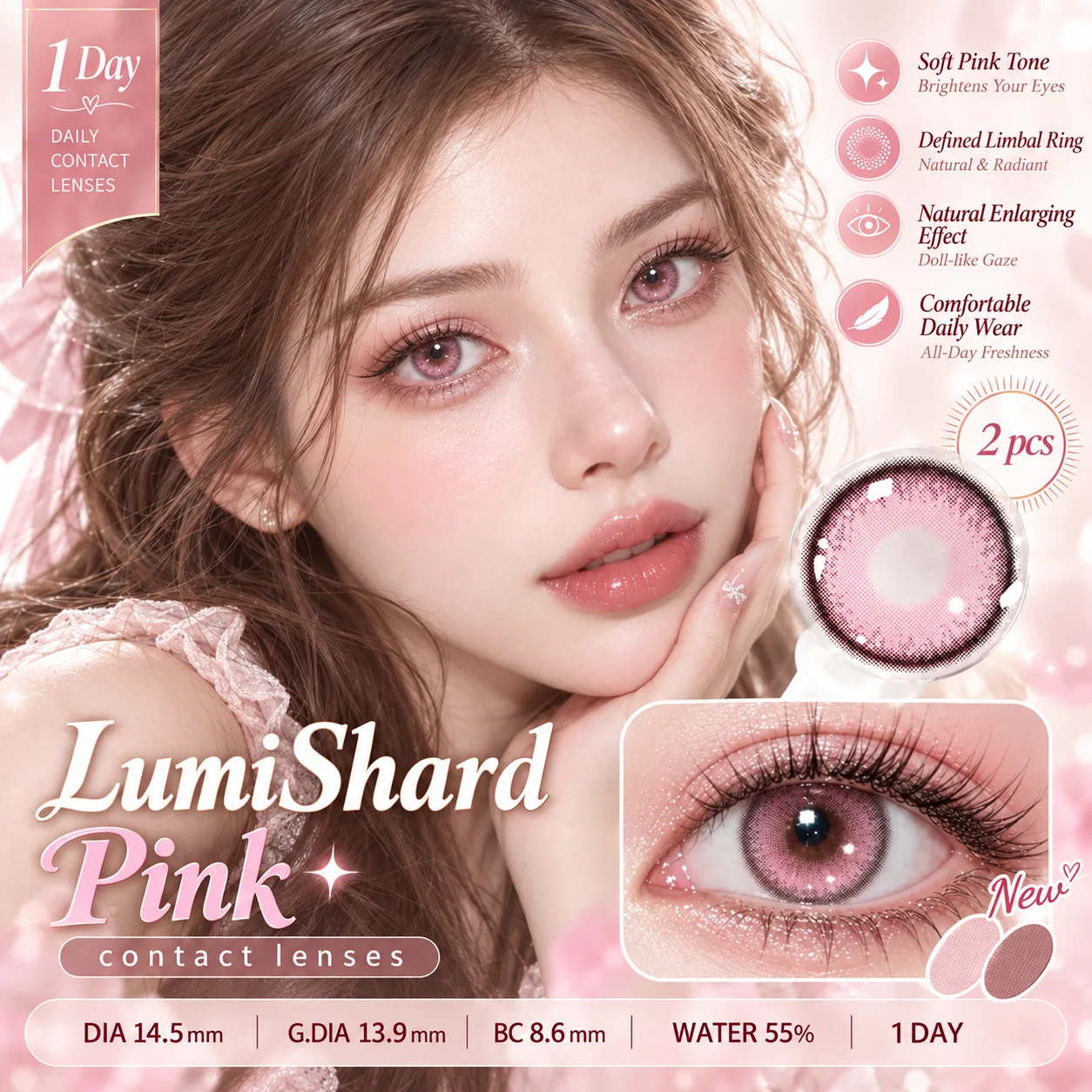
Graphic diameter
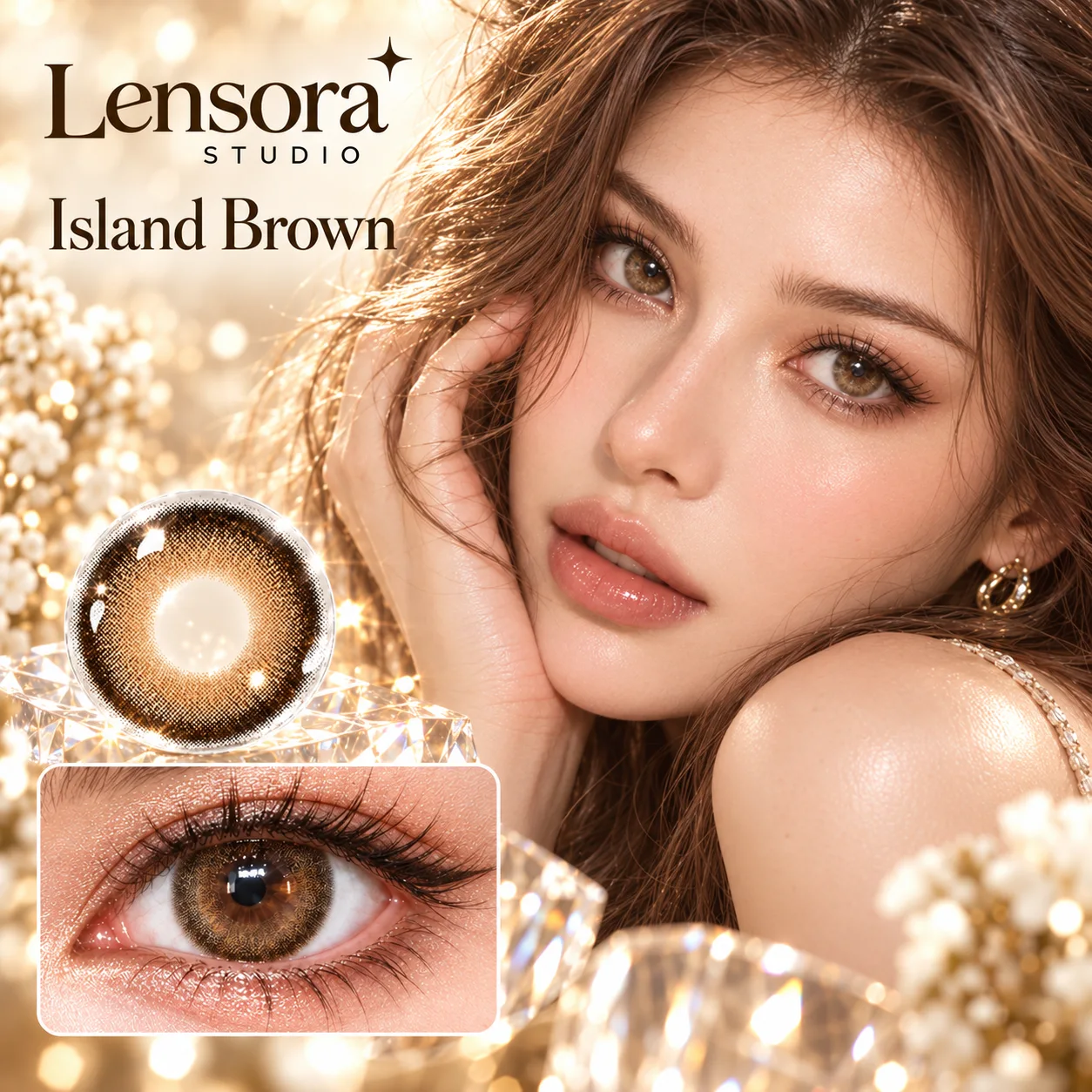
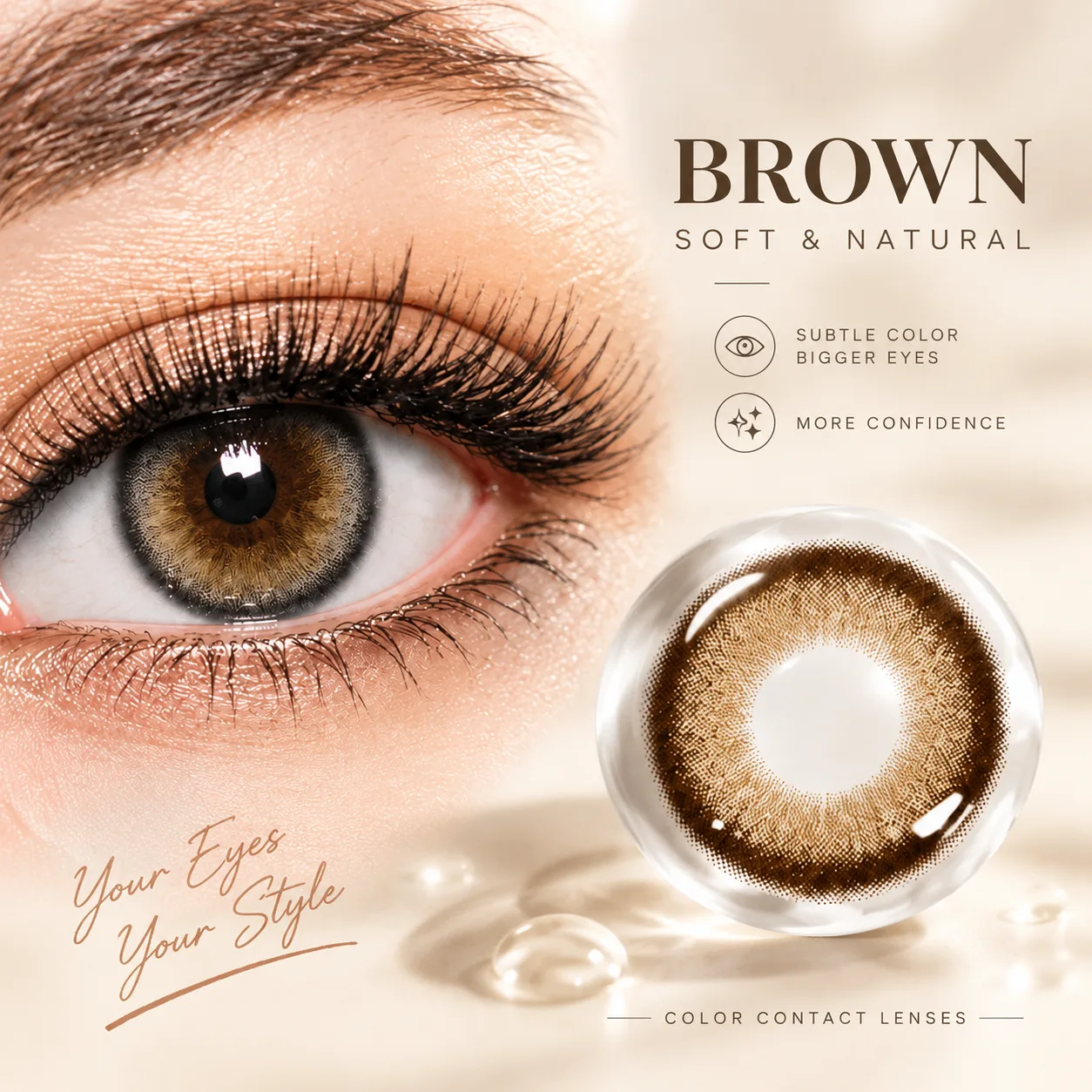
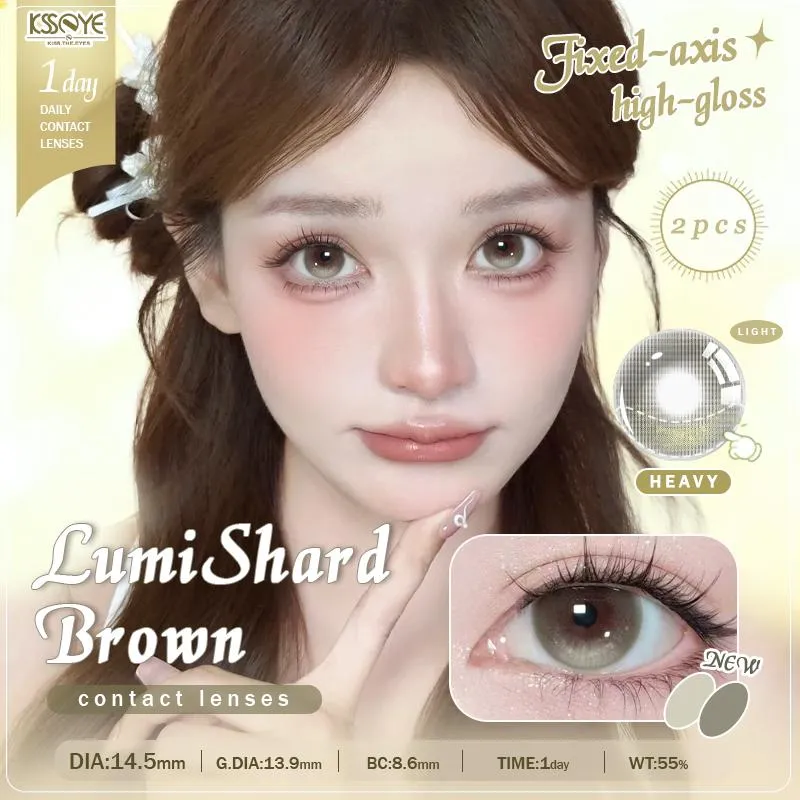
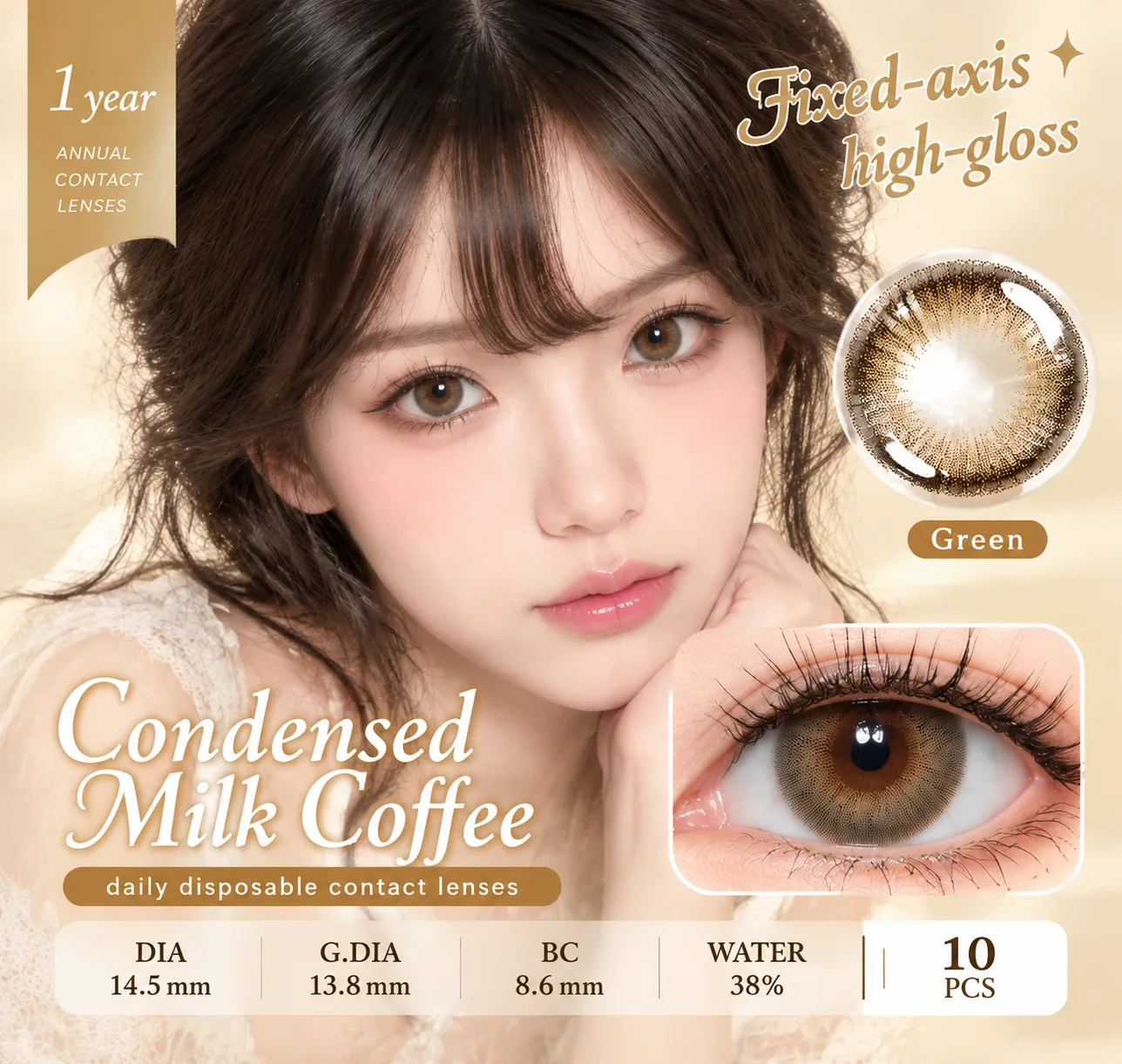
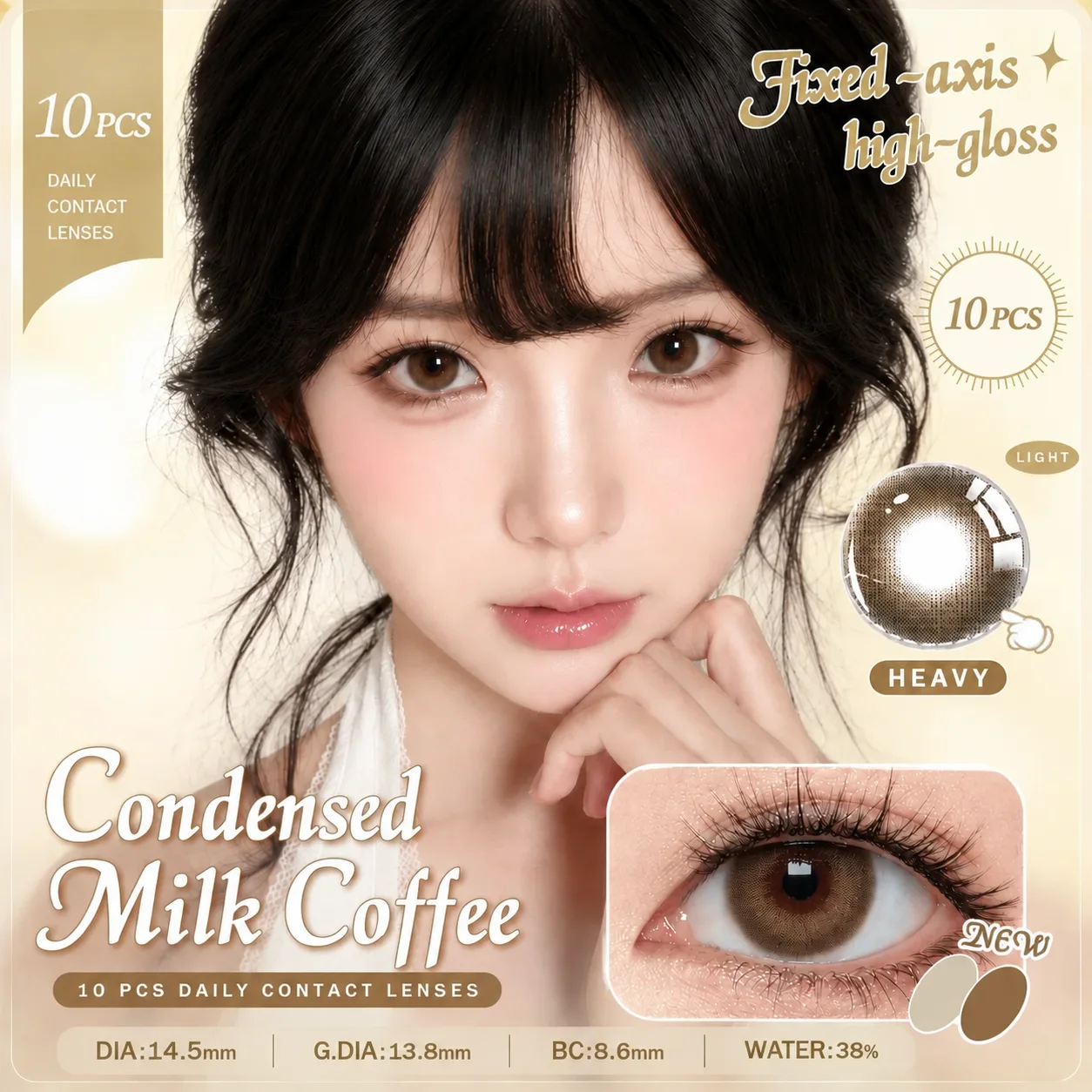
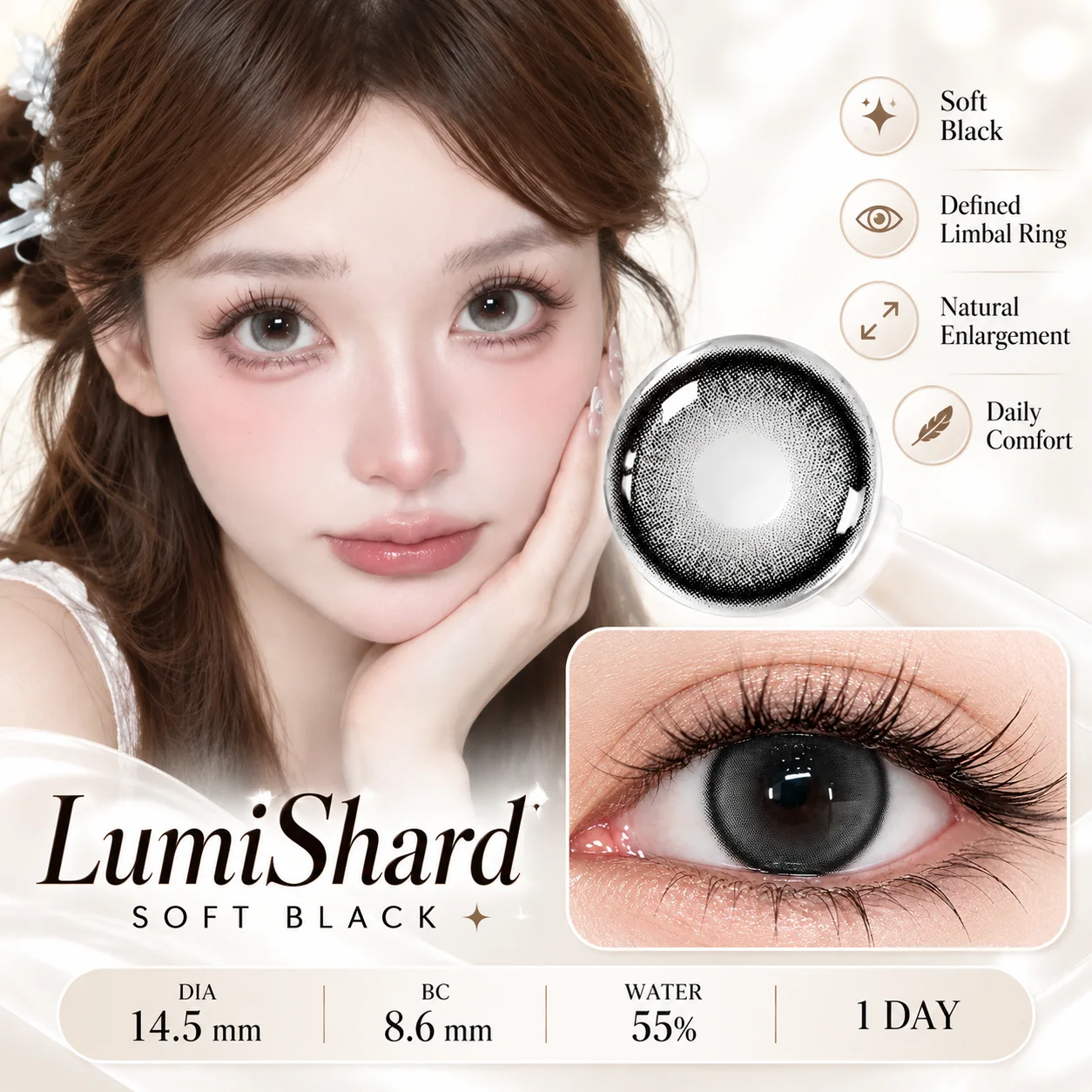
Korean designs commonly sit between 13.5 and 13.9 mm, with defined rings for a doll-eye effect. Japanese designs more often land between 13.0 and 13.5 mm with feathered edges for a softer result.
Ring definition
A strong ring enlarges; a soft edge blends. Korean catalogues lean toward the first, Japanese toward the second. If you want a visible change, Korean-style designs deliver it faster; if you want subtlety, Japanese-style designs are easier to wear.
Prescription range
Japanese ranges frequently stop at lower minus powers and offer fewer plus options. Korean manufacturers often cover a wider span, including higher minus values.
Replacement cycles
Both markets offer daily, monthly and longer cycles. Korean ranges have more six-month options; Japanese ranges have deep daily disposable catalogues.
Which to choose
Start from your prescription and base curve, then choose the design language. Buying for the look first is how people end up with a box they cannot wear.
Frequently Asked Questions
Are Korean lenses better quality than Japanese?
No. Both are made under the same regulatory frameworks and many share factories. Design intent differs, not quality.
Which looks more natural?
Japanese-style softer edges generally read as more natural; Korean-style rings read as more defined.
Can I mix brands?
You can, but keep base curve and diameter consistent across the lenses you rotate.