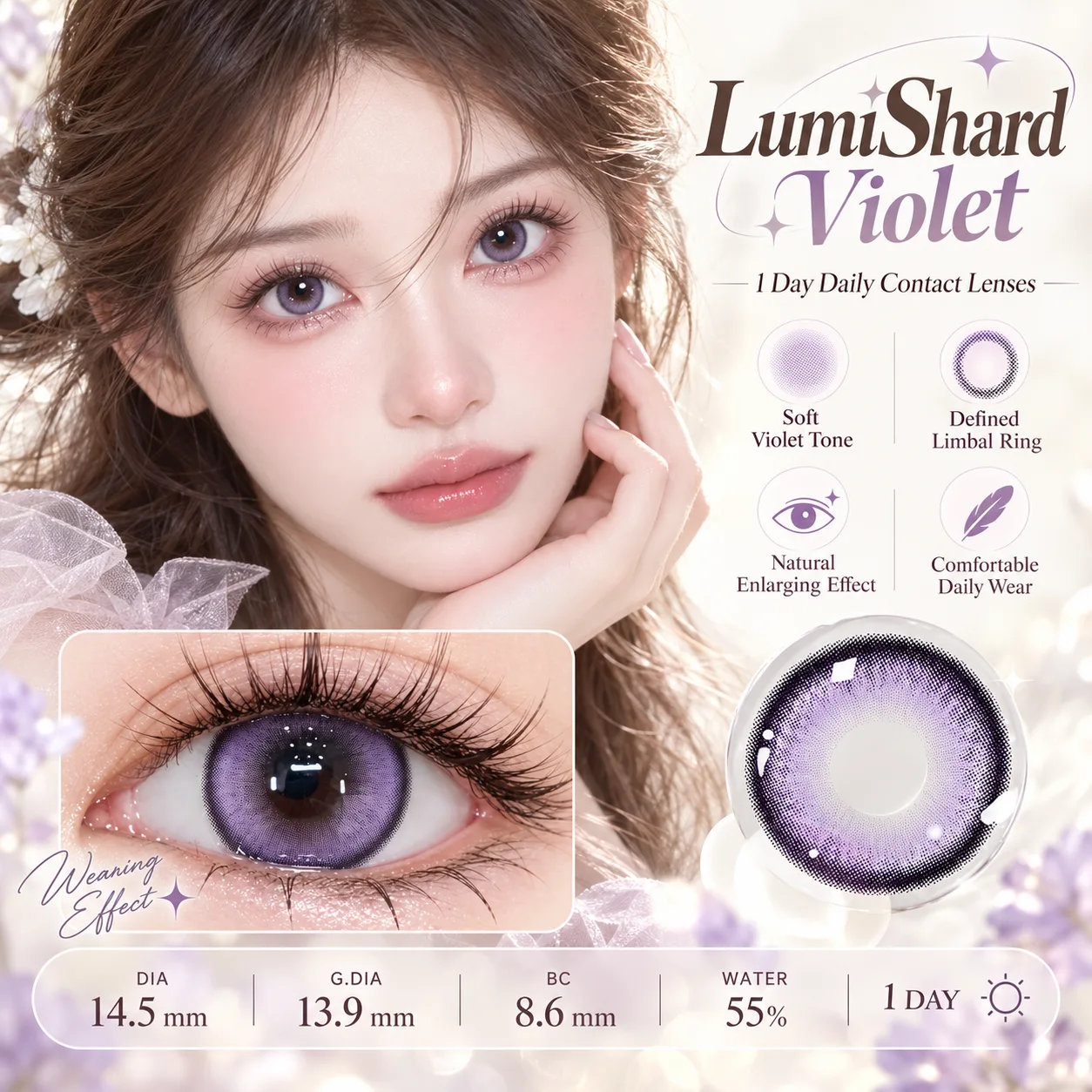
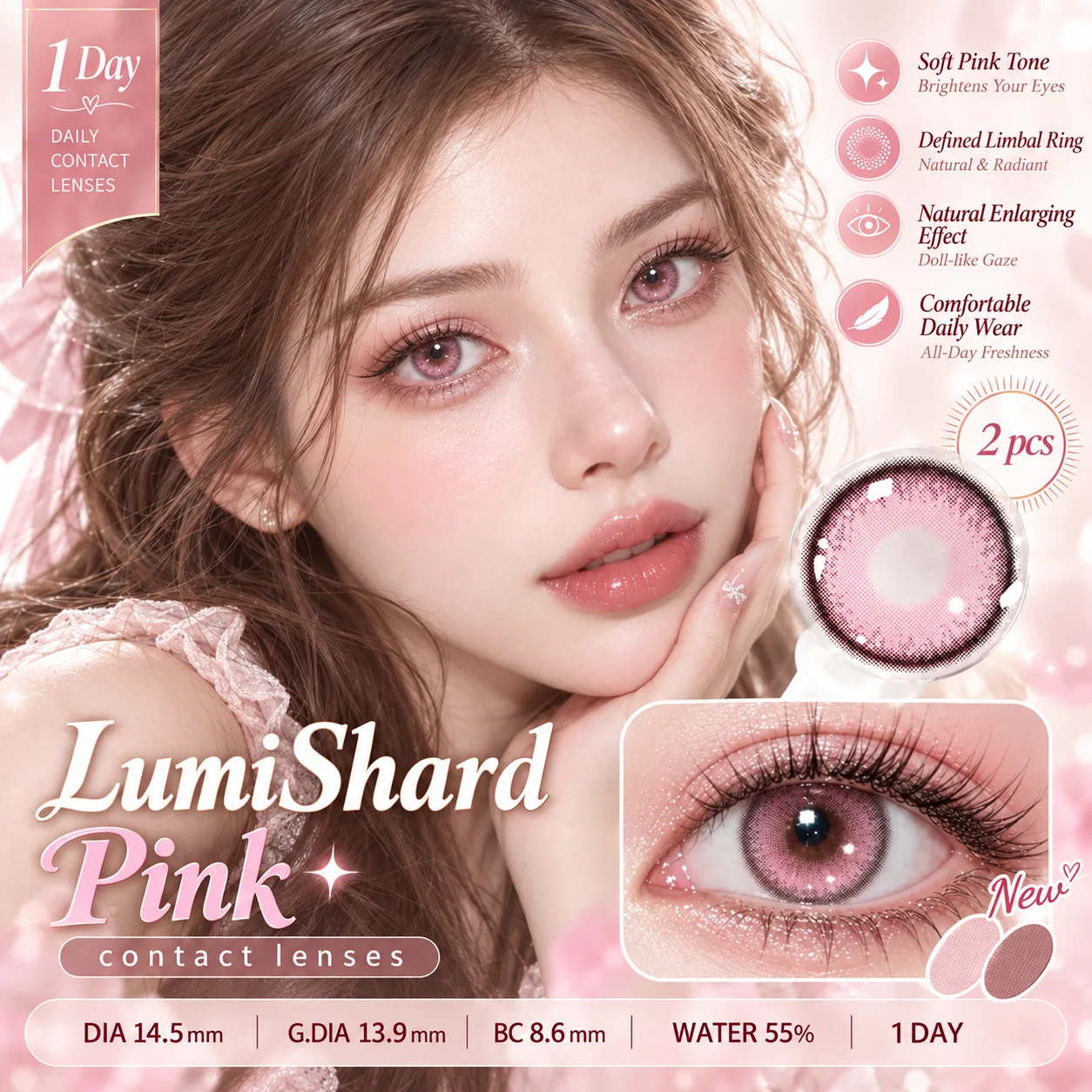
What must stay the same when you switch brands
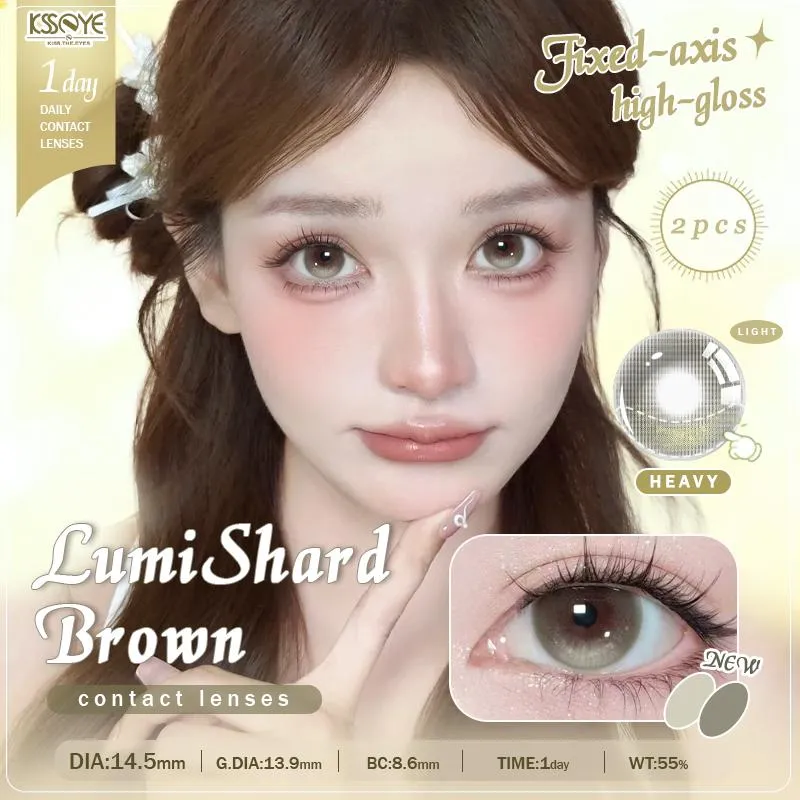
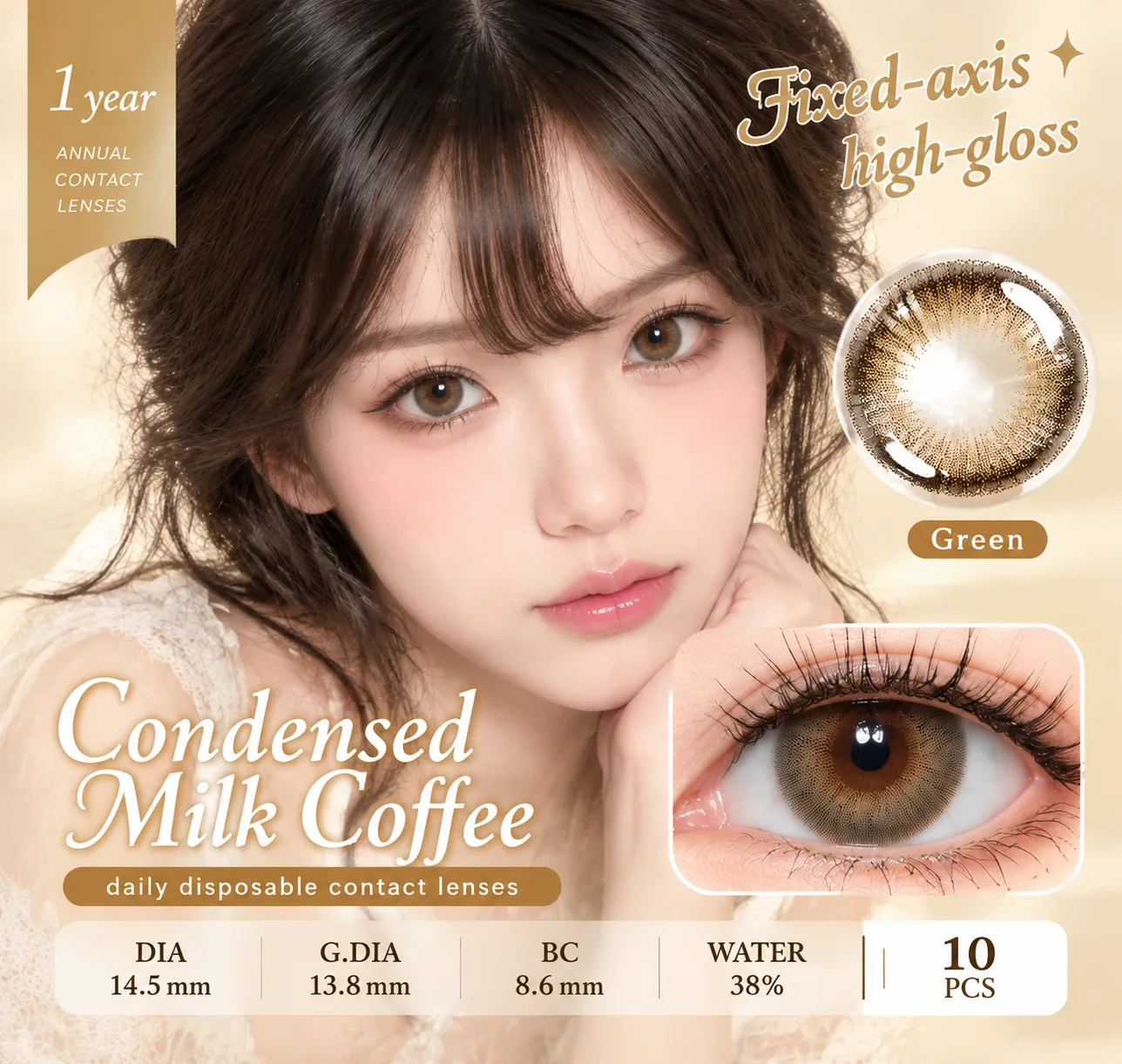
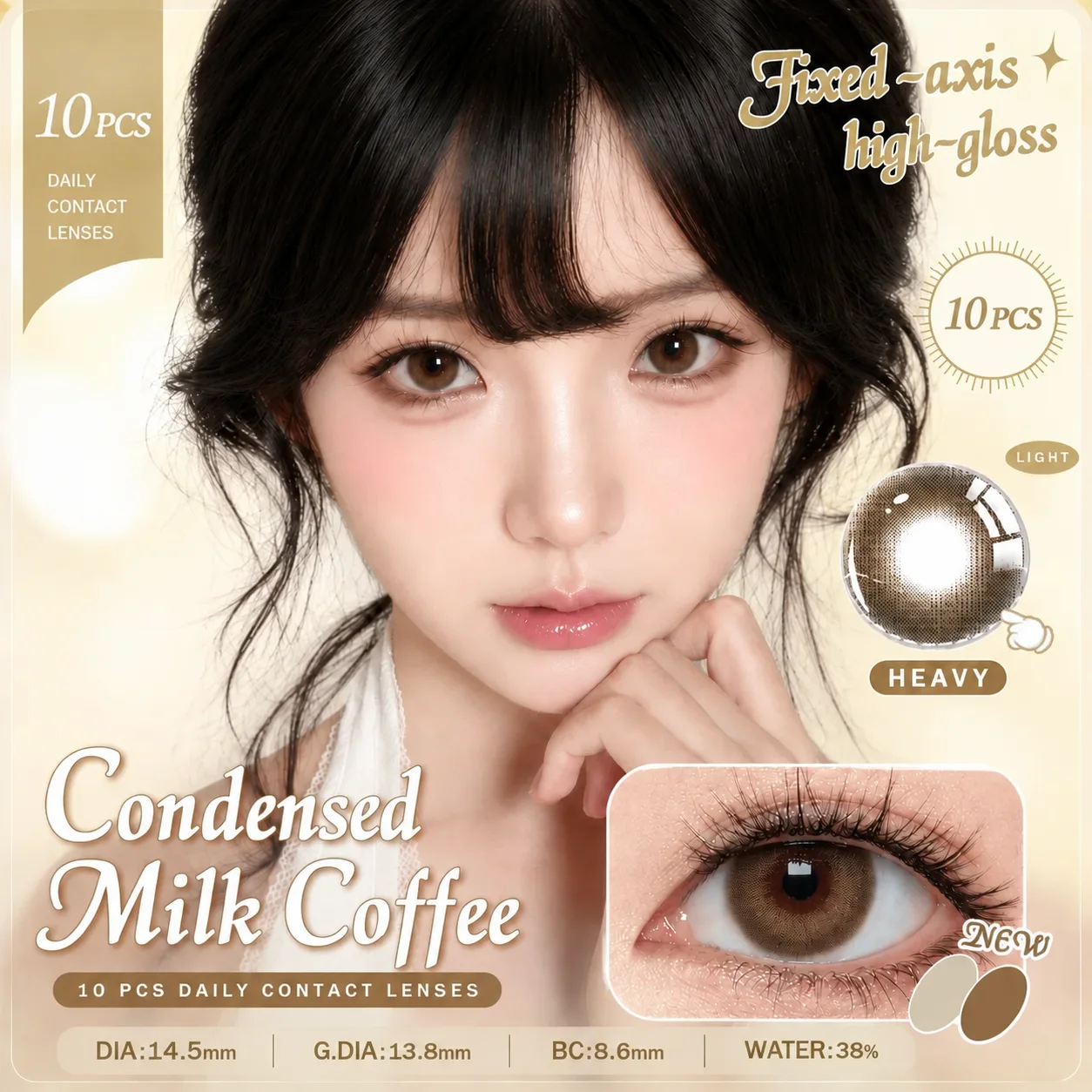
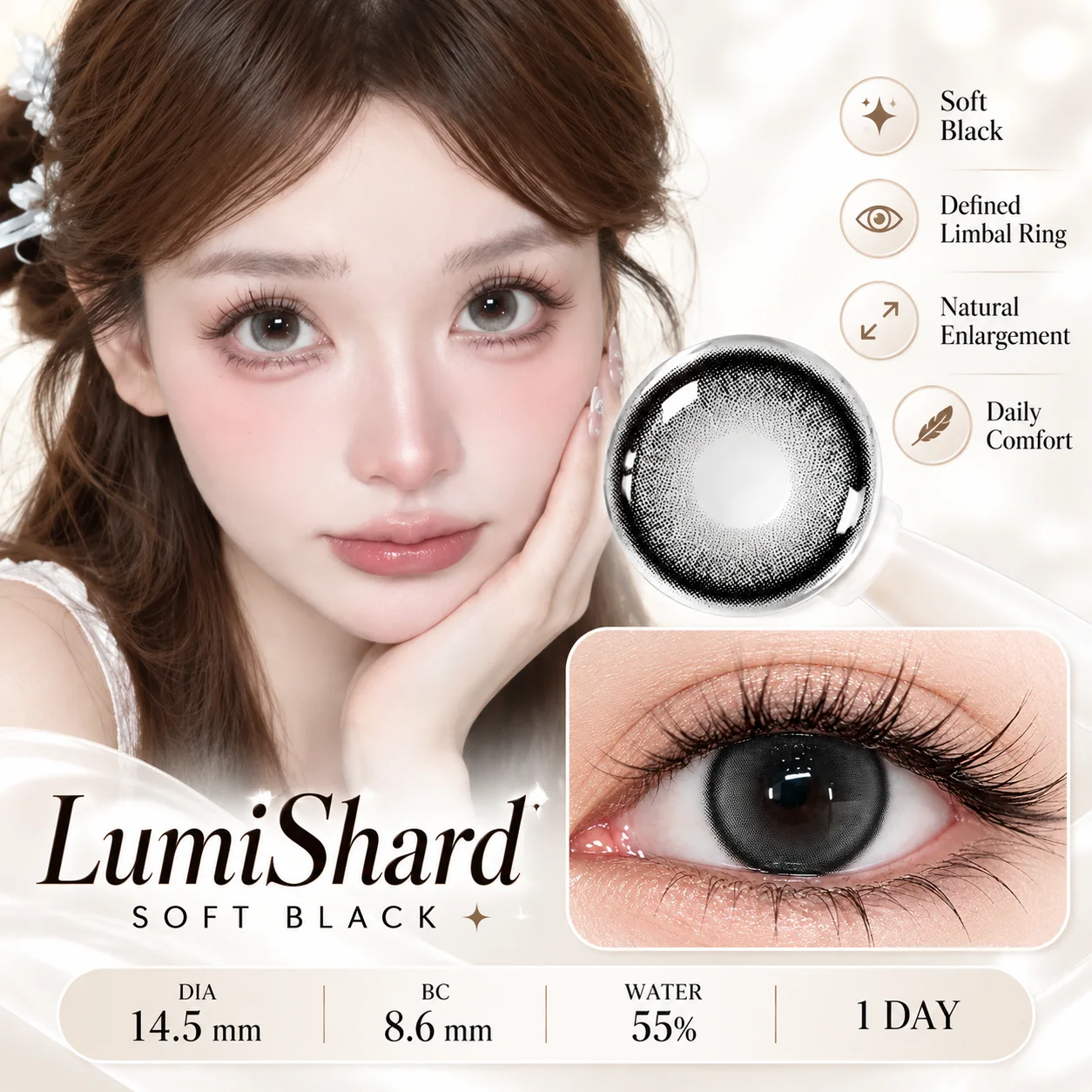
Three numbers decide fit: base curve (BC), diameter (DIA) and the printed area (graphic diameter). If your current pair sits comfortably, write those numbers down and match them. Changing brand does not mean changing fit - and if you switch BC, expect a different feel for a few days.
What can change safely
Colour, design and replacement cycle can change without affecting fit. Moving from a monthly to a daily lens changes your routine, not the curve - so it is a safe switch if you are tired of cleaning.
Where Lensora fits as an alternative
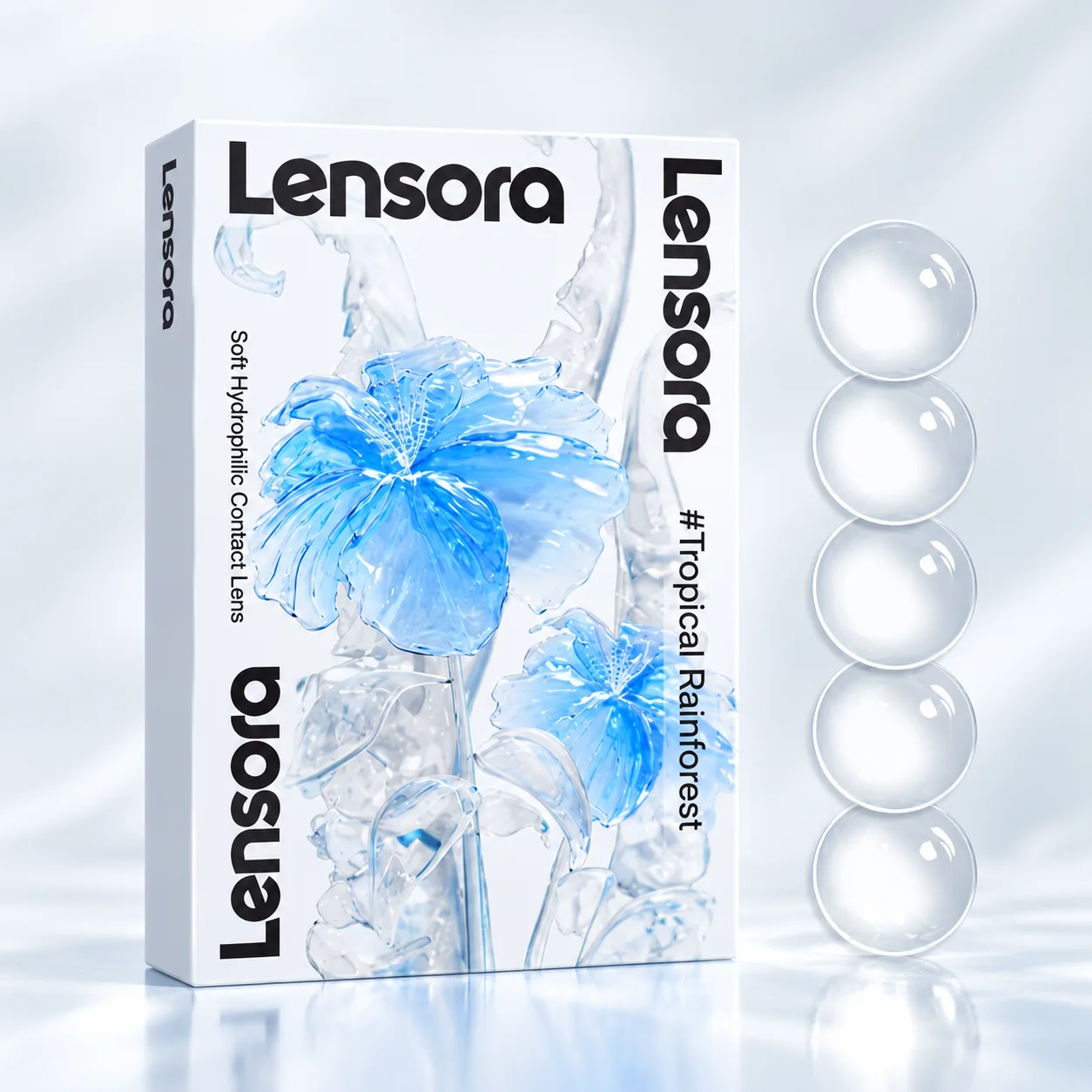
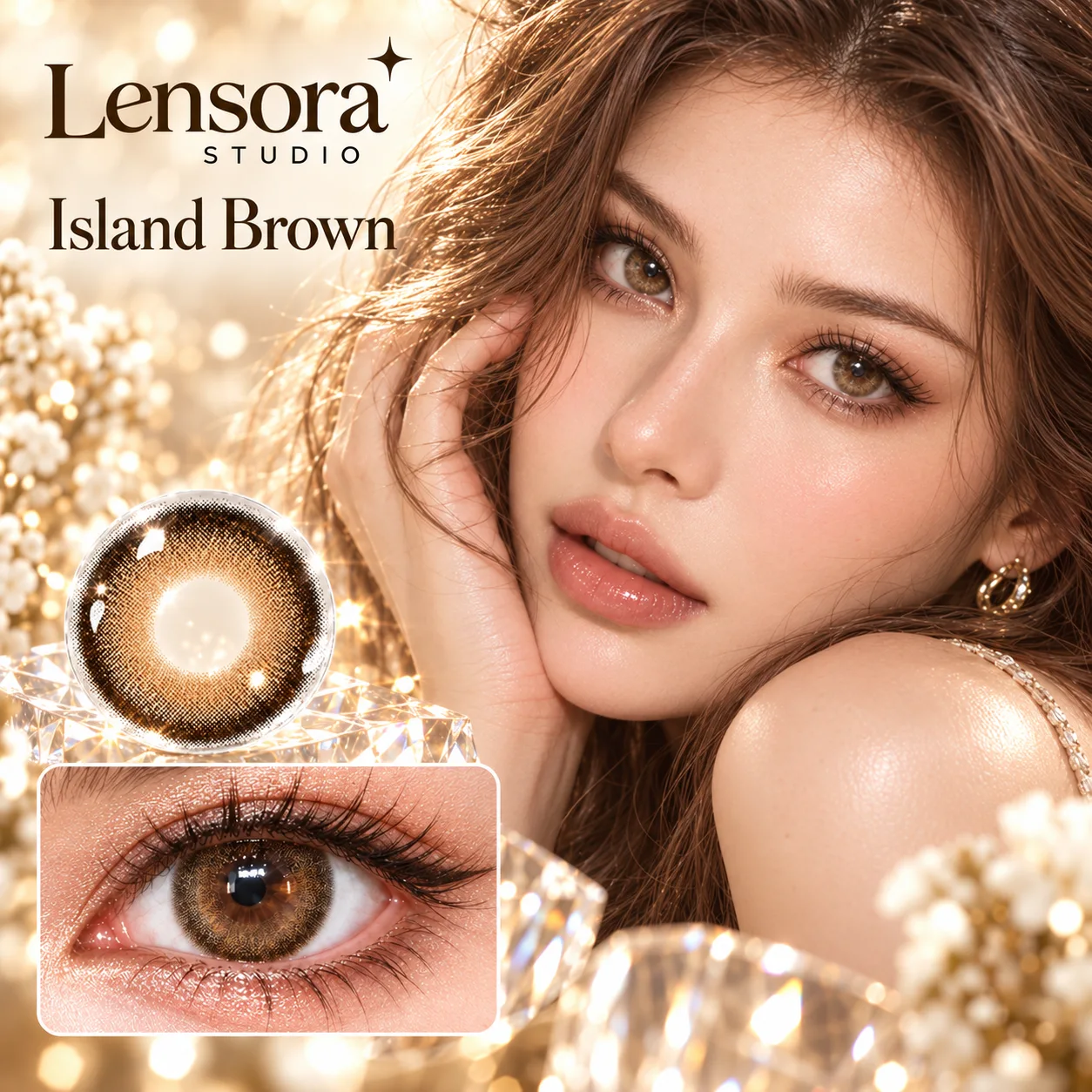
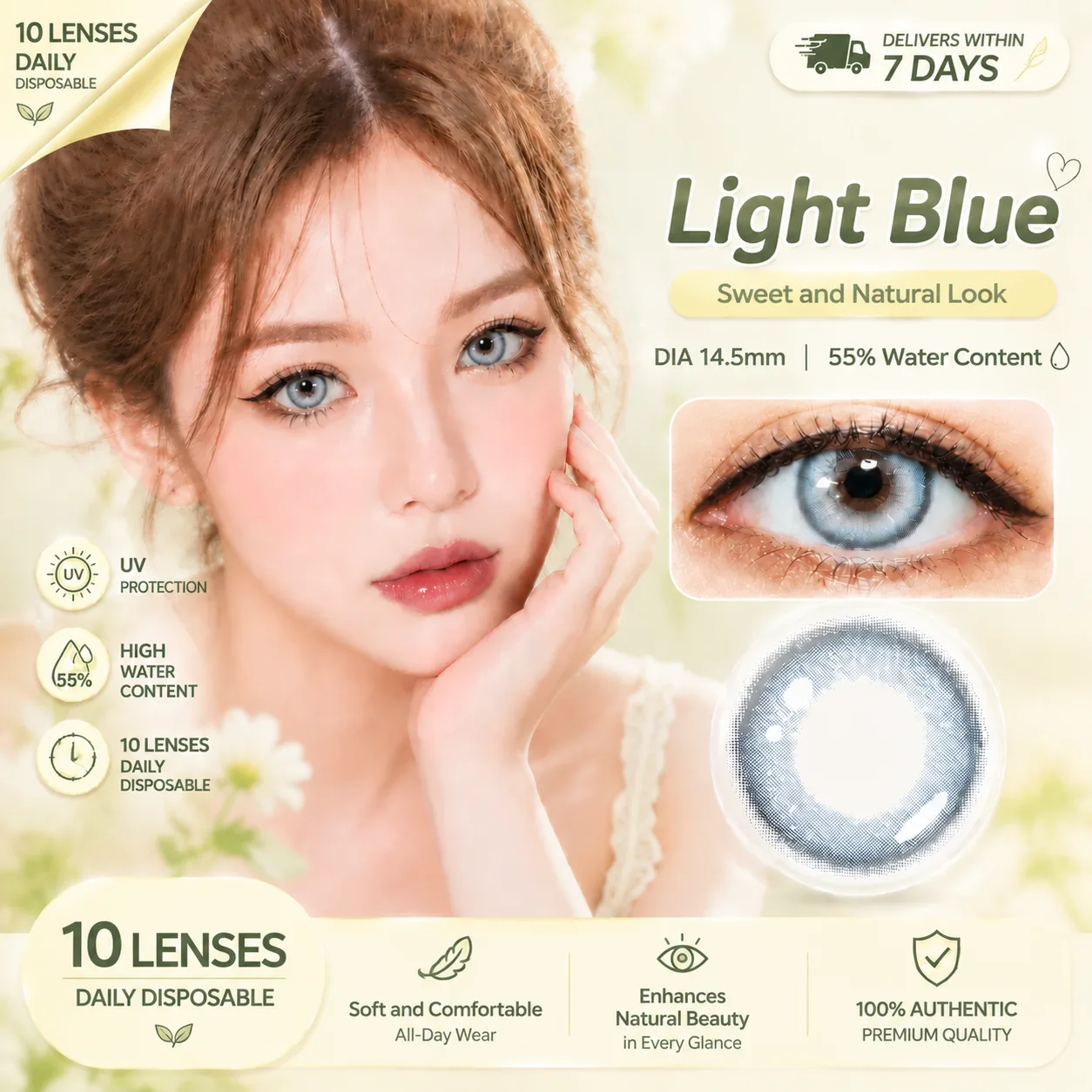
Lensora ships to the US, UK, Germany, Japan and Singapore, lists DIA, base curve, water content and replacement cycle on every product page, and accepts returns within 30 days on unopened boxes. The catalogue is smaller than the big Korean brands - the trade-off is clearer specification data and one shipping promise per market.
How to check a seller in two minutes
Open any product page and look for DIA, BC, water content and replacement cycle. If any of the four is missing, the seller is not giving you enough to match your current fit. Then check the return page: it should state what happens with unopened boxes and damaged deliveries.
Price per lens, not per box
A Hapa Kristin 2-pack and a 10-pack are not comparable at face value. Divide the price by the number of lenses, then by the wear days. That is the only number worth comparing across brands.
Frequently Asked Questions
Can I switch brands without a new fitting?
Yes if BC, DIA and material class stay the same. If the base curve changes, treat it as a new lens and start with short wear times.
Are alternatives cheaper?
Sometimes, but the like-for-like comparison is price per lens, not per box. A Hapa Kristin 2-pack can cost more per lens than a 10-pack from another brand.
Do I lose quality by switching?
Not if the replacement cycle and material match what you already wear. Brand is less important than fit and hygiene.